Hey there! If you’re reading this, chances are you’ve got PIR sandwich panels that took a hit—maybe a dent from a clumsy forklift, a small puncture from a stray construction fastener, or even a scuff from a late-stage site mishap. I’m [just a PIR sandwich panels supplier, not some corporate robot], and over the 7 years I’ve been working with these things, I’ve fixed way more of these oops moments than I can count. The best part? Most damage isn’t a total write-off—you just need to know what you’re doing, not fancy tools or a full panel replacement. Let’s walk through this like we’re chatting over coffee, no stuffy industry jargon (okay, maybe a tiny bit, but I’ll keep it simple). PIR Sandwich Panels
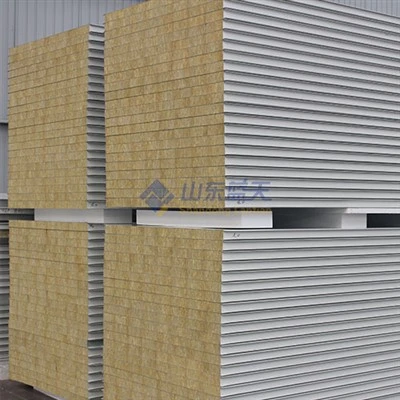
First off, let’s get one thing straight: PIR panels are awesome—polyisocyanurate foam core with two metal facings (usually steel, sometimes aluminum) laminated together. They’re super insulating, light, and perfect for warehouses, cold stores, modular buildings, even retail fit-outs. But that metal skin is thin (usually 0.4-0.8mm, right?) and the foam core is rigid, so it doesn’t take blunt force or sharp edges too well. Most damage falls into three categories, and we’ll tackle each one separately—no guesswork here.
Let’s start with the most common issue: minor surface scuffs and dents (no punctures, just the metal skin bent). I see this all the time—guys moving pallets too fast, or a construction crew dropping a tool on the side. The key here is to work slow and not rush to hammer it flat. First, grab a rubber mallet (never a steel one—you’ll just leave more marks) and a block of wood. Place the wood over the dent, then tap gently with the mallet. The wood spreads the force so you don’t stretch the surrounding metal, which is critical. If the dent is really shallow, you can even use a hairdryer on hot—metal expands when heated, so blow the area for 2-3 minutes, then immediately push the dent out from the back (if you can get to it—like if the panel is installed and the back has access, which it often does in cold stores). Wait, quick pro tip: don’t use a heat gun unless you know what you’re doing—too hot and you’ll melt the PIR foam core. Hairdryer is safe. And after you fix the dent, if the metal’s finish is scratched, grab a matching touch-up pen (I keep a bunch on hand for this exact thing—most suppliers sell them, including me) and fill in the scratch. No one will notice it, I promise.
Next up: small punctures (less than 50mm, that’s about 2 inches, for my non-metric peeps). This is where you can’t just hammer things—you have to fix both the metal skin and the foam core, otherwise you’ll lose insulation and let moisture in, which is a death sentence for PIR panels (moisture makes the foam lose 80% of its insulating value, trust me). First, clean the area thoroughly—use isopropyl alcohol (rubbing alcohol, whatever you call it) to wipe out any dirt, debris, or moisture. Then, cut a small patch of matching metal (same gauge as the panel’s facing—important, otherwise it’ll warp). It should be 20mm bigger than the puncture on all sides, so overlap the edges. Now, the adhesive—don’t use regular super glue. Get a high-grade structural adhesive that works for metal and foam, like a two-part epoxy that’s rated for construction. Apply a thin layer to the back of the metal patch, stick it over the puncture, and clamp it down for 24 hours. Wait, what if the foam core is damaged too? If the puncture went all the way through and the foam is crushed, you can fill the gap with expanding polyurethane foam (not the cheap DIY kind—get the closed-cell stuff, it doesn’t absorb moisture). Let it cure, then sand it flat before putting the metal patch on. I’ve used this fix on panels in cold stores that were holding -20°C, no issues.
Now, the big one: major damage (over 50mm, like a hole from a forklift, or a split in the panel). This is when people panic and want to replace the whole panel, but most of the time, you can do a partial repair that’s way cheaper. First, you need to cut out the damaged section properly—use a jigsaw with a metal blade, and cut a neat rectangle around the damage, leaving 50mm of good panel on all sides. That gives you a clean edge to work with. Then, find a matching section of PIR panel (same thickness, same metal gauge, same finish—super important, otherwise it’ll stand out). Cut that section to fit exactly into the hole, so it’s a tight but not forced fit. Now, you need to secure it to the existing panel’s frame (or the adjacent panels’ flanges, since PIR panels have those grooves that click together). Use self-drilling tek screws—don’t use regular screws, they’ll strip. Put the screws every 150mm around the edges, and use waterproof sealant (butyl rubber is best for this) around the screw heads to stop water from getting in. This fix is a bit more involved, but I’ve had clients do this on warehouse roofs and it’s lasted 4+ years no problem.
Wait, hold up—there are a few mistakes I see all the time that make repairs go wrong, so let’s call those out first. First, skipping the moisture check. After any repair, especially if the foam is exposed, you need to make sure there’s no water trapped. If you’re fixing an outdoor panel, let it dry for 24 hours after cleaning before you seal it. Second, using the wrong materials. Like, using a regular adhesive instead of structural, or steel mallets instead of wood. That’s how you end up with more damage. Third, rushing the cure time. Epoxy, sealant, foam—they need time to set, even if it feels dry. If you walk on it or put weight on it after an hour, it’ll crack. I learned that the hard way when I fixed a panel for a customer once and they walked on it too soon—had to redo it, wasted a whole afternoon.
Now, a little story to prove this works: last year, a client of mine had a delivery truck back into a 2m section of wall panels for their new cold store. They were gonna replace the whole wall, which would’ve cost them $12k. Instead, we did the partial repair—cut out the damaged section, fit a matching panel section, sealed it properly. Total cost was $1.8k, and they’re still using it, energy bills haven’t gone up at all. That’s why I tell people: don’t jump to replacements, try to repair first.
But wait, when should you just replace the panel? If the damage is bigger than 70% of the panel, like if a whole side is crushed. Or if the foam core is completely waterlogged—you’ll see it’s heavier than normal, or it’s moldy (that’s a sign moisture got in). Also, if the panel is near a structural point that’s bearing weight, major damage there is better replaced. But 9 times out of 10, you can repair it.
Now, a quick gear list so you don’t have to run around the hardware store: rubber mallet, wood block, isopropyl alcohol, matching touch-up pen (for small dents/scuffs), metal patch (same gauge as your panel), two-part structural epoxy, closed-cell expanding foam (for core damage), jigsaw with metal blade, self-drilling tek screws, butyl rubber sealant (best for outdoor use). That’s it—no fancy equipment, most people have this stuff lying around or can get it at a local builder’s supply.
At the end of the day, repairing PIR panels isn’t rocket science—it’s about taking your time, using the right materials, and not cutting corners. I’m not just saying this because I sell PIR panels, but because I’ve seen too many people waste money replacing perfectly good panels when a 1-hour fix would do.
If you’ve got damaged panels and aren’t sure how to fix ’em, or you need replacement panels (in case repair isn’t possible), hit me up. We work with all sizes—from small modular buildings to big industrial cold stores—and we can hook you up with the right panels or advice for your repair. No pushy sales stuff, just honest help.

Happy building, everyone.
EPS Sandwich Panels References:
- "PIR Sandwich Panel Installation and Repair Guidelines" – International Association of Roofing and Insulation Contractors, 2021
- "Moisture Management in Polyisocyanurate Foam Core Panels" – Journal of Building Physics, Vol. 44, No. 3, 2020
- "Structural Repair Techniques for Metal-Faced Insulated Panels" – Construction Specifier Magazine, 2022
Shandong Lantian New Material Technology Co., Ltd.
Shandong Lantian New Material Technology Co., Ltd. is one of the most reliable manufacturers and suppliers of pir sandwich panels in China, featured by quality products and low price. Please rest assured to buy bulk pir sandwich panels for sale here from our factory. Contact us for pricelist and customized service.
Address: North End of Wanshida Road, Dianzi Town Industrial Park, Boxing County, Binzhou City, Shandong Province
E-mail: Lantian023@ltaaaaa.com
WebSite: https://www.ltpirpanels.com/
