Can you grow your own dried edible fungi? As a dried edible fungi supplier who’s worked with growers, home hobbyists, and small-scale farms for over a decade, I get this question all the time—and the answer isn’t a simple yes or no. Let’s break down what it actually takes to grow your own edible fungi, how that ties to the dried products we supply, and why growing your own (even on a small scale) can matter more than you might think. Dried Edible Fungi
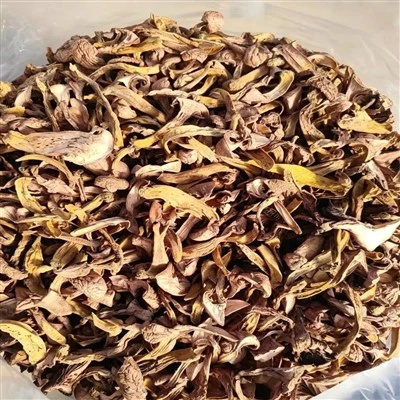
First, let’s get a key fact straight: edible fungi (what most people call “mushrooms”) aren’t plants. They don’t grow from seeds—they grow from spores, tiny reproductive cells that you can’t see with the naked eye, or from spawn, a substance that acts like a mushroom “seedling” made of fungal mycelium (the thread-like structure that makes up most of the fungus, hidden inside wood, soil, or growing medium). That’s why starting a mushroom patch is different from planting a vegetable garden.
For home growers, the easiest types to start with are oyster mushrooms, shiitake, and button mushrooms—all varieties we supply in dried form, because drying is the best way to preserve their flavor, nutrients, and texture for long-term use. I’ve seen beginners pull off successful batches of oyster mushrooms in as little as three weeks, using basic supplies: a growing kit (you can buy ready-to-use substrate blocks with spawn, or make your own from straw, sawdust, or coffee grounds), a cool, dark space with good air flow, and a little patience. The trick here is controlling the environment: mushrooms hate extreme temperatures, direct sunlight, and too much or too little moisture. If you can keep your space between 60 and 75 degrees Fahrenheit, mist the growing area lightly a couple times a day, and avoid letting standing water pool, you’ll get fruiting bodies—those are the mushrooms you can harvest, clean, and dry at home.
But here’s where the dried side comes in: most home growers don’t realize that drying is a critical final step, and doing it wrong can ruin your entire crop. If you dry mushrooms too quickly (in a hot oven set above 150 degrees Fahrenheit, for example) you’ll burn the outer layer, lock in a bitter taste, and lose 30 to 50% of their nutritional value. If you dry them too slowly, they’ll grow mold or rot. That’s why as a supplier, we use low-temperature commercial dehydrators that maintain a steady 110 to 130 degrees Fahrenheit, circulating air evenly to remove moisture without damaging flavor or nutrients. For home growers, I recommend a countertop dehydrator, or even a sunny, well-ventilated screen outdoors (out of direct sun) for 2 to 3 days, turning the mushrooms every 6 hours, to get that same even dry.
Now, if you’re thinking about growing your own fungi for more than just a small batch for personal use—say, to supplement your grocery budget, or even sell locally—there’s a lot more to it, and it’s not for everyone. Commercial dried fungi suppliers like me work with growers who maintain strict quality standards, because consumers are now more aware of where their food comes from. Home growers often struggle with pest control: common issues like mites, flies, and mold can wipe out a crop if you’re not monitoring daily. I’ve had a new grower tell me they harvested 2 pounds of oyster mushrooms only to find half of it was covered in mold because they left the growing area too damp for a single night. For that reason, many people prefer to buy dried fungi from trusted suppliers instead of growing their own, especially if they don’t have the time to check their patch every day.
Another point: not all edible fungi are safe to grow at home. Some varieties, like morel mushrooms, are notoriously difficult to cultivate—they need specific soil conditions, tree roots, and seasonal changes that are nearly impossible to replicate in a backyard or even a small greenhouse. We supply dried morels, and the majority of those we sell come from foraged, wild-harvested morels, because commercial cultivation still isn’t reliable enough for consistent supply. That’s a key difference between the types of fungi you can grow at home and the premium varieties we carry in our catalog.
I should also mention a common misconception: growing your own fungi doesn’t require a huge amount of space. Even if you live in an apartment, you can grow oyster mushrooms in plastic bags hung in a closet, or shiitake on logs placed on a balcony (as long as it’s shaded). A friend of mine in Brooklyn, for example, grows mushrooms on coffee grounds from the local café in his apartment, and he supplies small batches to nearby restaurants. He used to buy dried mushrooms from me, but now he grows his own fresh, dries them, and sells them—though he still comes to me for larger quantities when he can’t keep up with demand. That’s the nice part about fungi: it’s a versatile crop for both small home setups and larger commercial operations.
But let’s talk about the challenges. I’ve been in this industry for 12 years, and I’ve seen too many people get discouraged after their first failed crop. The biggest mistake beginners make is not sterilizing their growing equipment. Spawn is alive, and if your substrate (straw, sawdust, whatever you’re using) has bacteria or mold in it, the mycelium can’t grow, and you’ll end up with a batch that’s no good. That’s why we always tell new growers: start with a kit. Kits come with pre-sterilized substrate and spawn, so you skip the risk of contamination, and you’re more likely to get a successful first harvest. Once you get the hang of it, you can start experimenting with making your own spawn or substrate, but the kit is the safest way to dip your toes in.
Another thing: dried fungi have a longer shelf life than fresh, which is why we dry them. Fresh mushrooms only last 3 to 5 days in the fridge before they start to spoil. If you grow your own fresh mushrooms, you have to use them quickly, or dry them within a day or two of harvesting, otherwise you’ll lose them. That’s a big reason many home growers end up buying dried fungi from suppliers like me: it’s a convenient, long-lasting way to have edible fungi on hand whenever you need them, without worrying about spoilage. I always tell people, if you can grow fresh mushrooms and dry them properly, you’ll save money compared to buying dried, but if you’re short on time or space, we’re here to provide high-quality, sustainably sourced dried fungi.
Now, let’s talk about sustainability, because that’s something both growers and suppliers care about. Fungi are a sustainable crop: they don’t need soil, they don’t require lots of water, and they can grow on waste products like coffee grounds, straw, and sawdust. That’s why many of the small-scale growers we partner with use farm waste to grow their spawn, reducing landfill waste in the process. If you grow your own, you can use food waste (coffee grounds, vegetable scraps) as substrate, which is another way to reduce your carbon footprint. It’s a win-win: you’re growing your own food, and you’re keeping waste out of the landfill.
But there are limitations. If you’re looking to grow gourmet varieties like truffles, for example, that’s a whole different ballgame. Truffles grow underground, attached to the roots of specific trees (oak, hazelnut), and commercial truffle farms take 5 to 10 years to produce a crop. That’s not something a home grower can pull off, and most people who want dried truffles (we supply high-quality dried truffle pieces for restaurants and specialty food shops) buy from suppliers who work with trusted truffle farms. So when someone asks me, “Can you grow your own dried edible fungi?” I always say: you can grow fresh, then dry it at home for common varieties, but for rare, gourmet, or commercial quantities, it’s best to work with a supplier who has the expertise and infrastructure to produce safe, consistent dried products.
I’ve also seen a rise in interest in home mushroom growing over the past few years, as more people look for ways to grow their own food and reduce their grocery costs. Every month, I get emails from people asking for advice on growing their own, and I always tell them the same thing: start small. Get a kit, grow oyster mushrooms (they’re the most forgiving), harvest them, dry them, and see how it goes. Once you’ve had a successful batch, you can expand. But if you’re not ready to commit the time and space, or you want access to a wider variety of dried fungi, we’re here to help.
Here’s the thing: whether you grow your own or buy from a supplier, dried edible fungi are a nutrient-dense, versatile addition to any diet. They’re high in fiber, vitamins, and antioxidants, and they add a rich, umami flavor to soups, stir-fries, sauces, and more. I’ve worked with chefs who use our dried shiitakes to make broth, home cooks who rehydrate dried morels for pasta dishes, and everyone in between. That’s why our work matters: we make it easy for people to access high-quality dried fungi, no matter their growing experience.
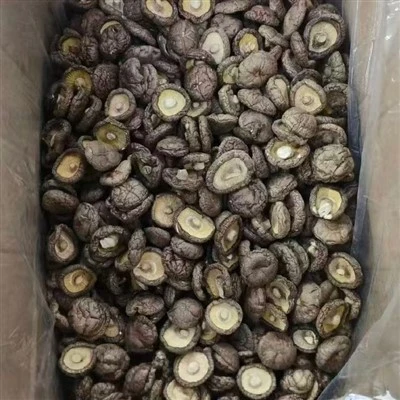
If you’re thinking about trying to grow your own edible fungi, go for it—just start with a kit, research the variety you’re interested in, and be patient. If it doesn’t work the first time, don’t give up. I’ve had three failed batches of shiitakes before I got it right, and now I grow my own fresh shiitakes to use in recipes and to test new drying methods for our products. But if you’re looking for a reliable source of dried edible fungi, whether it’s for personal use, a restaurant, or a small business, we’re here to help. Reach out to us to discuss your needs, share your growing goals, or ask any questions about our products—we’re happy to talk shop, whether you’re a first-time grower or a seasoned chef.
Dried Morel Mushroom References
- Chang, S. T., & Miles, P. G. (2004). Mushroom Biology and Mushroom Products. CRC Press.
- Stamets, P. (2005). Growing Gourmet and Medicinal Mushrooms. Ten Speed Press.
- U.S. Department of Agriculture. (2022). Mushroom Production Guidelines for Small-Scale Growers. Agricultural Research Service.
- Food and Agriculture Organization of the United Nations. (2021). Global Edible Fungi Market Report: Trends in Supply and Demand.
Qingyuan Manchu Autonomous County Lichang Native Produce Co., Ltd.
We are one of the most professional dried edible fungi manufacturers and suppliers in China, featured by quality products and good price. Please rest assured to wholesale bulk dried edible fungi for sale here from our factory. Welcome to view our website for more information.
Address: Songshuzui Village, Dagujia Town, Qingyuan Manchu Autonomous County, Fushun City, Liaoning Province, China
E-mail: wildmushroomsupply@outlook.com
WebSite: https://www.wildmushroomsupply.com/
