Hey there! Let’s cut to the chase—if you’re in the market for ungalvanized steel wire, chances are you’ve also asked the same question a lot of our regular clients bring up: can this stuff actually be recycled? I’m the go-to guy here at our warehouse, the one who’s been fielding this question from contractors, DIYers, scrap pickers, and every random person who stops by our loading dock for the past 12 years, and I’m here to break it down straight—no fancy jargon, no fluff, just the real deal. Ungalvanized Steel Wire

First off, let’s make sure we’re on the same page about what ungalvanized steel wire actually is, because I’ve seen way too much confusion mix this up with other steel products. Ungalvanized means no zinc coating—so it’s just plain, raw steel wire, right? Unlike galvanized wire, which gets that shiny, protective zinc dip to keep it from rusting, our ungalvanized stuff is solid carbon steel, no extra layers, no coatings to mess with the basic metal. We sell it for all kinds of jobs: fence installation, craft projects, bundling construction materials, even small-scale industrial fabrication. It’s durable, easy to work with, and way cheaper than galvanized, which is why it’s such a workhorse for so many folks.
Now, back to the big recycling question. Let’s get one thing out of the way first: steel in general is the most recycled material on the planet, period. Way more than plastic, aluminum, paper—all of it. The American Iron and Steel Institute (AISI) even says something like 70% of all steel made in the US each year comes from recycled steel, and that number’s been holding steady (or even creeping up) for decades. So if steel is that recyclable, why would ungalvanized steel wire be any different? The short answer is: it’s not. But there are a few specific things about this wire that make recycling it a tiny bit easier than, say, a random steel beam, and a lot simpler than galvanized wire.
Let’s talk about how steel recycling works, quick. It’s not like glass or plastic where you have to separate different types or melt them down and deal with weird chemicals. Steel is “ferrous,” which means it has iron in it, so any steel that’s ferrous gets sorted together at scrap yards. The process is basically: scrap metal gets dropped off at a yard, they run it over a magnet (the best part—magnets pick up all steel, no matter the type, so ungalvanized is never missed), it gets shredded into tiny pieces, then melted in a huge furnace, mixed with a little new raw steel to adjust the composition, and poured into new shapes. That’s it. No fancy chemicals needed, no separating coatings because most ferrous materials don’t have coatings that stick around when you melt steel.
Wait, but hold on—could there be something in ungalvanized wire that messes this up? Let’s be real, not all ungalvanized wire is 100% pure steel. Sometimes you get tiny bits of other materials mixed in, right? Like if a roll of our wire gets a little plastic wrapper stuck to it when it’s sitting on a shelf, or if a contractor’s leftover has a chunk of wood from a fence post still attached. But those are the same kind of tiny contaminants that any steel scrap has. At the shredder and furnace stage, those little bits burn off or get filtered out. It’s not a big deal. And since our wire is ungalvanized, there’s that zinc layer you don’t have to worry about? Wait no—wait, galvanized has zinc, which is a whole other metal, so if you mix galvanized wire into ungalvanized scrap, that can mess with the steel’s quality. But ungalvanized wire is just steel, no extra metals, so it doesn’t contaminate other steel scrap either. That’s a win.
I’ve seen this firsthand, by the way. A few years back, we had a regular client who was a fence contractor—Joe, he’s a good guy, runs a small crew out in suburban Ohio. He used to haul all his leftover ungalvanized wire to the landfill, then one day he stopped by and said, “Dude, I just found out I could get paid for that stuff? I was throwing away $50 a month!” So he started bringing his cut wire, scraps, even the old rolls that got damaged (we sell those at a discount, but when they’re too beat up, he takes them to the local scrap yard). He told me the yard’s magnet grabs every last bit of it, they don’t turn up their nose because it’s ungalvanized. In fact, they said ungalvanized steel wire is one of the easiest scrap items they process—no extra testing, no sorting it apart from other steel, just toss it in the pile and they pay top dollar for it. That’s not just Joe’s story, either. I’ve had scrap dealers stop by our warehouse specifically asking for ungalvanized wire scrap because it’s low-contamination, high-value.
Now, let’s address the elephant in the room—what if someone says, “Wait, but it has a thin coat of something? No, ungalvanized means no zinc, that’s the whole definition. Sometimes people mix it up with ‘cold-rolled’ or ‘mild steel,’ but those are just types of ungalvanized steel. Even if it has a tiny rust spot, that’s just iron oxide, which still melts down into steel. Rust doesn’t ruin the recycling process at all—if anything, rusty steel is still 99% steel, same as new. I’ve brought in old rusted wire off a fence I took down at my own house, and the scrap yard didn’t even mention it. Said it’s all the same.
Let’s also talk about why this matters, especially right now. Everyone’s talking about sustainability, and steel recycling is a huge part of that. Making steel from recycled material uses 75% less energy than making it from iron ore, right? That’s a stat from the World Steel Association—saves tons of coal, water, and cuts way down on carbon emissions. So when you recycle ungalvanized steel wire, you’re not just getting a little cash from scrap yards, you’re helping the planet too. That’s a double win, if you ask me.
Wait, but is there any time ungalvanized steel wire can’t be recycled? Let’s be honest here, I don’t want to sugarcoat it. If it’s been coated with something other than zinc? Like, if someone spray-painted the entire wire (we sell plain wire, but I’ve seen people do that for crafts), or if it has thick rubber insulation (like if someone stripped a wire from an old cable, wait—no, steel wire in cables is usually core wire, but if it has thick rubber, you can peel that off easy, but if you don’t, the rubber will burn off in the furnace. It’s just a tiny bit of extra fume, which is filtered anyway. The only time I can think of where ungalvanized steel wire is a problem is if it’s mixed with non-ferrous metals, like aluminum or copper. But that’s not specific to ungalvanized—any steel scrap has that issue, and scrap yards sort that out before it goes to the furnace.
Another thing: a lot of people ask, “Can I recycle this at home?” Short answer, probably not. Most curbside recycling programs don’t take small metal items like wire, because they can jam the sorting machines. But that doesn’t mean you can’t recycle it—just drop it off at a local scrap yard, or many hardware stores (including some big box ones) take scrap metal for recycling. Or if you’re a contractor like Joe, you can stockpile your scraps and bring them in on a monthly basis. It’s way easier than you think.
Now, let’s talk about our side of things, since I’m one of the ungalvanized steel wire suppliers. We don’t just sell wire—we work with contractors, landscapers, crafters, farmers, everyone who needs this stuff. So we get all the same questions you do. We even have a little sticker on every roll that says “Ungalvanized Steel Wire—100% Recyclable” because we want our customers to know that when they’re done with it, they don’t have to throw it away. We’ve had so many people come back and tell us they started recycling their leftover wire after reading that sticker, and it’s helped them cut down on waste, and even make a little extra cash. That’s the kind of thing that makes this job worth it, you know?
I remember a few months back, a high school art teacher stopped by our warehouse. She was buying ungalvanized wire for her students’ sculpture projects, and she asked about recycling the leftover scraps. We gave her the info on the local scrap yard, and she came back a month later saying that her class had collected 120 pounds of wire scraps, got $180 from the scrap yard, and used that money to buy more art supplies for the kids. That’s the kind of win that doesn’t get talked about enough—small, simple steps that add up.
Wait, but let’s make sure we’re not spreading misinformation. I did a little digging (talked to our local scrap dealer, and checked some industry stuff) to make sure I’m not making this up. The Steel Recycling Institute confirms that all ferrous steel products, including ungalvanized wire, are fully recyclable, with no limit to how many times they can be recycled. That’s another big point—steel doesn’t degrade when you recycle it. Unlike plastic, which can only be recycled a few times before it’s too weak, steel can be melted down and remade forever, over and over again. That’s why it’s such a critical part of the circular economy.
So putting it all together: ungalvanized steel wire is 100% recyclable. No ifs, ands, or buts. It’s easier to recycle than a lot of other materials, it doesn’t contaminate other steel scrap, and it’s a huge contributor to sustainability. The only minor “hurdles” are tiny contaminants that any steel has, and a lot of people just don’t know how easy it is to recycle it beyond curbside bins.
If you’re using ungalvanized steel wire—whether you’re a contractor working on a big job, a farmer fixing a fence, a hobbyist crafting something cool, or anyone in between—don’t just toss your scraps or old rolls in the trash. Reach out to us if you have questions about recycling, or if you need more ungalvanized wire for your next project. We’re always here to help, and we can point you to local scrap yards or resources to make recycling your wire as easy as possible. No pressure, just good info.
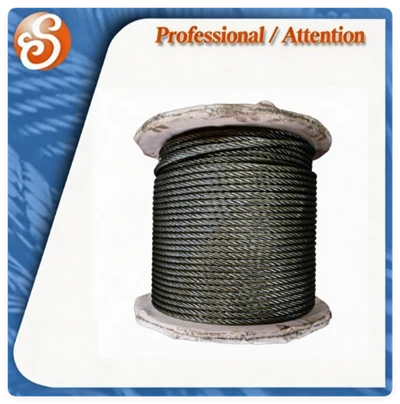
At the end of the day, this stuff is built to last, and recycling it means it can keep being useful long after your project is done. That’s the kind of thing we’re proud to be part of—selling a product that’s durable, affordable, and actually good for the planet when you’re done with it. If you’re ready to stock up on ungalvanized steel wire, or have questions about recycling, hit us up. We’re here to make this simple, no nonsense, just the way it should be.
Welded Link Chain References:
American Iron and Steel Institute. (2023). Steel Recycling Statistics.
Steel Recycling Institute. (2024). Ferrous Metal Recycling Guidelines.
World Steel Association. (2022). Energy Savings from Steel Recycling.
Nantong Shenwei Steel Wire Rope Co., Ltd.
Nantong Shenwei Steel Wire Rope Co., Ltd. is well-known as one of the leading ungalvanized steel wire manufacturers and suppliers in China since 1994. Our factory offers high quality ungalvanized steel wire made in China with competitive price. Welcome to contact us for quotation.
Address: No.1709, Zhangjiang Road, Nantong Economic Development Zone, Nantong City, Jiangsu, China
E-mail: nt@sw-steelwirerope.com
WebSite: https://www.shenwei-steelwirerope.com/
