As a feeding system supplier, I get asked this question all the time: “What are feeding systems even used for, beyond just moving stuff from point A to point B?” It’s a fair question—most people see a large metal conveyor or a hopper feeder in a factory and write it off as a basic utility. But after 12 years in this industry, helping clients across dozens of sectors troubleshoot, upgrade, and build their feeding setups, I can tell you: a well-designed feeding system is the backbone of modern manufacturing. It’s not just about moving materials—it’s about consistency, safety, efficiency, and even product quality. Feeding System
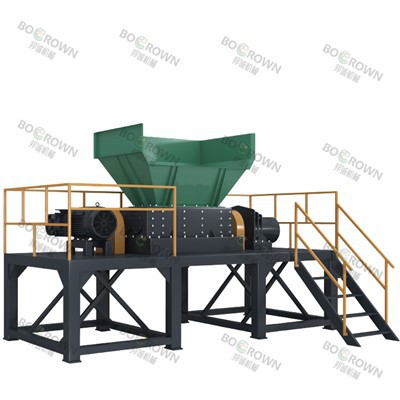
Let me walk you through the most common applications I see, plus a few less obvious ones that surprise even the most seasoned plant managers. I’ll also share a few real stories from clients to make this feel less like a textbook and more like the conversations I have every day.
First, and probably the most widespread: food and beverage production. I once worked with a craft bakery in Michigan that was struggling with inconsistent dough portions. They had a manual process where workers would scoop dough into pans, which meant some rolls were 2 ounces and some were 3, leading to a ton of waste and customer complaints about “uneven sizes.” We installed a volumetric feeding system that dispenses exact dough portions every 0.5 seconds. The result? Their waste dropped by 18% in the first month, and their repeat business went up because every roll tasted the same. That’s the power of a feeding system in food and beverage—it’s not just moving flour or batter; it’s ensuring product uniformity, which is non-negotiable for regulators too. The FDA has strict rules about ingredient traceability and portion accuracy, so automated feeding systems also help with compliance. We’ve also done work with craft breweries that use feeding systems to add hops and yeast at precise times during fermentation, which is how they get that consistent hop flavor batch after batch. No more guessing when to add dry hops— the system is programmed to dump exactly 1.2 pounds at minute 45 of fermentation, every single time.
Next up: pharmaceutical and medical device manufacturing. This is a sector where even a tiny mistake can have big consequences. Last year, I visited a medical device plant in Arizona that makes insulin pens. They were feeding tiny metal components (like the needles’ spring mechanisms) by hand, and workers were dropping an average of 3 parts per shift, which cost them $5,000 a week in wasted materials and rework. We installed a vibratory feeding system that sorts and feeds those small, delicate parts at 120 parts per minute, with a 99.9% accuracy rate. Suddenly, their error rate was down to almost zero, and they could run two extra shifts a week without adding workers. In pharma, feeding systems also handle active pharmaceutical ingredients (APIs), which are often expensive, sometimes toxic, and require strict dose control. A wrong dose here isn’t just waste—it’s a safety hazard. I’ve seen our systems integrate with automated weighing and mixing equipment to add API in milligram increments, so clients can meet cGMP (current Good Manufacturing Practices) standards without breaking the bank. No wonder 70% of our pharma clients come back to us when they expand their plants.
Then there’s mining and heavy materials processing. This is a tougher application—feeding systems here have to handle abrasive, heavy materials like coal, ore, and gravel, which can wear out basic equipment fast. A coal mine in West Virginia once told me their old feeder was breaking every three months because the constant impact of coal chunks was eroding the metal. We designed a heavy-duty apron feeder with heat-treated steel plates that could withstand the abrasive material. Now it’s been two years without a replacement, and they’ve increased their feed rate by 25%, so they’re moving more coal without more downtime. Feeding systems in mining also control the flow of materials to crushers, which prevents overloading the equipment—something that leads to costly breakdowns. I’ve seen mines where a bad feeding setup caused a crusher to fail every few months; after upgrading, they only have one breakdown a year for routine maintenance. That’s a huge win in an industry where downtime can cost six figures a day.
Less obvious but growing fast: electronics and semiconductor manufacturing. Think about the tiny components in your phone—microchips, connectors, sensors. Those parts are so small, so delicate, you can’t feed them by hand without damaging them. A semiconductor plant in Taiwan (we work with a lot of international clients here) needed to feed 0.5mm microchips onto circuit boards. Their old system would jam every 10 minutes, ruining 50 chips a day. We installed a vision-guided feeding system that uses cameras to align each chip before feeding it, so jams are almost eliminated, and damaged parts dropped to less than 1 a week. This application is all about precision—feeding systems here don’t just move parts; they inspect them, sort defects, and place them exactly where they need to be. Without that, mass production of electronics as we know it wouldn’t exist. I also recently worked with a solar panel manufacturer that uses feeding systems to load tiny silicon wafers onto assembly lines, ensuring each panel has the right number of wafers for maximum efficiency.
Wait, let’s not forget agricultural and horticultural applications. This isn’t just for big farms—we’ve worked with small hydroponic farms too. A vertical farm in Chicago wanted to automate their nutrient delivery to leafy greens, since manual watering and feeding was inconsistent, leading to uneven growth. We installed a precision liquid feeding system that mixes nutrient solutions in exact concentrations and delivers them to each plant via drip lines. The farm’s yield went up 30% because every plant got the same nutrients, and they reduced water waste by 40% compared to manual systems. For grain farms, feeding systems are used to load grain into silos, mix feed for livestock, and even process seed for planting. One family farm in Iowa told us their old manual feed mixing took 3 hours a day; now they do it in 20 minutes with our system, freeing them up to focus on other tasks.
Now, a few of the edge cases that make feeding systems interesting. We once worked with a company that makes custom wax candles. They needed to feed melted soy wax into custom molds, but the wax had to stay at a precise temperature—too hot, and it warped the mold; too cold, and it solidified before filling. We designed a heated screw feeding system that maintains a constant 140 degrees Fahrenheit, feeds wax at a steady rate, and can be adjusted for different candle sizes. That client still sends us holiday candles as a thank you, which is way better than a referral check. Another time, we helped a recycling plant sort plastic bottles by type—our feeding system uses air jets to blow off wrong bottles as they move along the line, so the plant can recycle PET vs. HDPE without manual sorting. That cut their labor costs by half and increased their recycling rate from 60% to 92%.
But here’s the thing I wish more people understood: the best feeding systems aren’t one-size-fits-all. A feeder that works for candy won’t work for gravel, and a system for microchips won’t work for chicken feed. That’s why we don’t just sell equipment—we consult. When a client first comes to us, we don’t just ask “what do you want to move?” We ask about the material’s size, weight, abrasiveness, temperature, and how much they need to move per minute. We ask about their current pain points—are they dealing with waste, downtime, safety issues? Last year, a metal stamping plant came to us because workers were getting their hands caught in manual feeders, leading to a workers’ comp claim every 6 months. We designed a fully automated, enclosed feeding system that eliminates hand contact entirely, and within a year, their workplace injury rate for that area dropped to zero. That’s the real value of a feeding system—it’s not just about efficiency; it’s about keeping people safe.
I’ve seen so many clients write off feeding systems as an “afterthought” when they’re designing a new production line. But in my experience, the lines that run the smoothest are the ones where the feeding system was a core part of the design from day one. I remember a car parts manufacturer in Detroit that tried to skimp on a feeding system for their brake pads a few years back. They went with a cheap off-the-shelf model, and within 6 months, they had 12 jams a week, 10% waste, and three minor injuries. They came back to us, and we designed a custom modular feeding system that fits their line perfectly. Now, three years later, they have zero unplanned jams, 2% waste, and no injuries. That’s the difference between a basic feeder and a purpose-built feeding system.
If you’re reading this, you’re probably someone who’s dealing with inconsistent material flow, too much downtime, waste, or safety issues in your production process. You might be thinking, “Do I really need to invest in a feeding system upgrade?” Let me ask you: how much is that unplanned downtime costing you? How much are you wasting on misportioned materials or damaged parts? How much are you spending on labor for manual feeding tasks that could be automated? For most of our clients, the return on investment is less than 12 months.
I’ve spent the last 12 years working with every type of feeding application you can think of, and I still learn something new every year. Last quarter, we designed a feeding system for a pet food company that can switch between wet and dry pet food without any manual adjustments. That’s the kind of innovation we love—feeding systems that adapt to your needs, not the other way around.
If you’re ready to stop treating your feeding process as a side note and start making it the backbone of your operations, I’d love to chat. We work with small family operations and large Fortune 500 companies alike, and we don’t do one-size-fits-all solutions. Tell me what you’re moving, what’s not working now, and what you want to achieve, and we’ll build a feeding system that fits your exact needs.
PVC/WPC Profile/wood-plastic Extrusion Production Line References:
- American Society of Mechanical Engineers. (2022). “Feeding Systems for Manufacturing: Design, Integration, and Best Practices.” ASME Press.
- U.S. Food and Drug Administration. (2021). “Current Good Manufacturing Practices (cGMP) for Pharmaceutical Manufacturing.” FDA.gov.
- Mining Safety and Health Administration. (2023). “Heavy Material Handling Equipment: Safety Guidelines for Feeding Systems.” MSHA.
- International Society of Automation. (2022). “Vision-Guided Feeding for Microelectronics Manufacturing.” ISA Publications.
- Vertical Farm Association. (2022). “Automated Nutrient Delivery Systems for Indoor Agriculture.” VFA Research Report.
ZJG BC Machinery Co., Ltd.
As one of the most professional feeding system manufacturers and suppliers in China, we’re featured by quality products and good price. Please rest assured to buy cost-efficient feeding system for sale here from our factory. Contact us for custom service and OEM service.
Address: No.8 Lexi Road, Leyu Town, Zhangjiagang City
E-mail: sales@bcextruder.com
WebSite: https://www.bcextruder.com/
