If you’ve ever watched a screen printing press in action, you’ve probably seen that flat, rigid plate holding your t-shirt, poster, or canvas perfectly still while ink gets pulled across the screen. That’s what we’re talking about here: an aluminum pallet for screen printing. Let’s break this down like we would over a coffee—no stuffy jargon, just the real stuff that matters if you’re in the print game. Pallet for Screen Printing Press
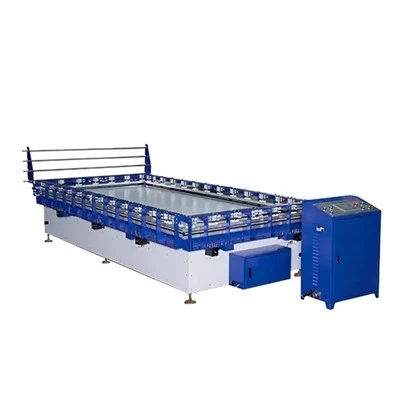
First off, let’s cut through the confusion. A lot of new printers mix up pallets with other parts of the press. Those screens are the frames with the mesh that hold your design, right? The pallet is the work surface you clamp that screen down to, and it has to be dead accurate every single time. Aluminum is the go-to material here, not wood, not plastic, not steel. Why? Let’s be real: steel is heavy, wood warps if it gets damp from screen cleaner or ink, plastic wears out fast when you’re scraping ink across it thousands of times. Aluminum hits the sweet spot. It’s lightweight enough to load and unload all day without burning out your hands, super stiff so it never warps, and it can hold a rock-solid shape even in the messy, humid print shop environment. That’s non-negotiable. If your pallet is off by even a hair, your prints will blur, the edges will be uneven, or worst case, the screen will stick to the shirt mid-press and ruin a whole run.
Now, let’s get into how these pallets actually work, because there’s more to them than just a flat chunk of aluminum. Every pallet is custom-fit to whatever you’re printing, right? If you’re printing small t-shirts, the pallet’s size matches the torso of a small tee. For hoodies, it’s bigger to fit the whole chest area. Even weird stuff—like canvas tote bags, mousepads, or even small metal parts for industrial printing—we can mill the aluminum to the exact size and shape you need. That custom fit is key. You don’t want a pallet that’s too big, because the edges of your print will hang off and get misaligned. Too small? The screen won’t lay flat, and you’ll get ink seeping where it shouldn’t.
Wait, what about those little holes or notches you see on pallets? Those aren’t just for show. Most pallets have a pre-milled registration system, usually little pins or grids, to line up the screen perfectly every single run. For multi-color prints—like a red logo on a blue shirt, or a full graphic with 4+ colors—you can’t just guess where the screen lines up. If each color is off by even 1/32 of an inch, the whole design looks crooked and unprofessional. The registration pins on the aluminum pallet lock into the screen’s registration marks, so every pull is spot-on. That’s why aluminum is perfect for this: the milling process lets us make those pins and grids super precise, way more accurate than you’d get with a wood pallet that can’t hold a tight shape for long.
Another big thing: coating. Raw aluminum is slippery, right? If you load a shirt on a bare aluminum pallet, it might slide around when you’re pulling the screen, especially if your hands are slippery from ink or water. That’s why most pallets get a special coating—usually a thin, textured polymer, sometimes called a “pallet adhesive” or “release coating” depending on your shop’s needs. The texture grips the fabric tight so it doesn’t shift, but it’s still easy to peel off once you’re done. Some printers use temporary spray adhesive, but a good aluminum pallet’s coating is designed to last for hundreds of runs without gumming up, which saves you money in the long run. We’ve seen cheap pallets where the coating peels off after a few weeks, leaving bare aluminum that sticks to the shirt—total nightmare. Our aluminum pallets have a coating that stands up to all the common stuff in a print shop: ink solvents, water-based inks, even the occasional spill of screen cleaner.
Let’s talk about why our pallets are different, if you will. I’ve been in this game with print shops for years, so I know a thing or two about what breaks a pallet. A lot of suppliers just cut a piece of aluminum and call it a day. But we mill every edge smooth—no sharp corners that can catch on a shirt hem and tear it when you’re loading it. We also add a slight bevel to the front edge, the part you pull the screen across, so ink doesn’t build up in a corner and dry into a mess after a run. That small detail saves you so much time cleaning, trust me. A cheap pallet will have sharp, unrounded edges that catch lint, ink, and small bits of fabric, and you’re spending extra time scrubbing it every day. Ours? You can wipe it down in 10 seconds and be ready for the next load.
Also, weight matters for press operators. If you’re running a manual screen printing press, you’re lifting the pallet in and out of the press bed all day. A steel pallet is 2x as heavy as aluminum, and after 8 hours, your shoulders are killing you. Wood pallets warp and get heavier when they absorb moisture, too. Aluminum is just heavy enough to be stable, but light enough that even a new operator can move it around without getting worn out. For automatic presses, weight is less of a big deal, but rigidity still is. If an automatic press is running 100 prints an hour, the pallet has to stay perfectly flat through every stroke. Aluminum doesn’t flex—we’ve tested pallets that have been in use for 10 years and they’re still as straight as the day they were made.
Wait, let’s address a common question new printers have: can’t I just make a pallet out of MDF or plywood? Yeah, you can, but here’s why that’s a bad long-term call. MDF swells if it gets wet—one spill of screen cleaner, and your pallet warps. Then you have to sand it flat again, which wears it down faster. Wood also absorbs ink, so after a few months, it smells like old ink and the texture gets rough, catching fabric. And when you’re doing multi-color prints, wood can shift a tiny bit between runs, even with registration pins. That’s the difference between a perfect run of 50 shirts and 50 ruined ones. Aluminum might cost a bit more upfront, but it pays for itself in less wasted prints, less maintenance, and less replacement pallets. We’ve had a customer who switched from wood pallets to ours and cut his wasted prints by almost 30% in the first month—those are real numbers, not fluff.
Another use case: pallets for flat items, not just fabric. If you’re printing on tote bags, mousepads, acrylic blanks, or even small metal parts, an aluminum pallet works even better. We can mill recesses to hold non-flat items, so the tote bag doesn’t wrinkle while you print, or the acrylic blank stays dead flat for a crisp graphic. You can’t do that with wood as easily—wood’s not dense enough for tight recesses, and it warps so the recess gets uneven over time. For industrial screen printing, where you’re printing hundreds of the same part, that consistency is everything. You don’t want to toss a run because the part shifted on a warped pallet.
Now, let’s get into some of the little features that make a pallet work for you. Some printers like pallets with built-in T-slots, so they can attach custom fixtures for weirdly shaped items without drilling into the aluminum. Others like custom sizes that fit exactly their press bed, so there’s no wasted space. We also offer pallets with different hole patterns for registration pins—some customers use a standard grid, others need custom spacing for their specific screen sizes. The key here is that a one-size-fits-all pallet almost never works. Every print shop has different gear, different products, so a good pallet supplier will work with you to make something that fits your exact setup, not the other way around.
Wait, let’s talk about durability in a way you can see. We run tests on our pallets: we drop them from press height (about 4 feet) dozens of times, scrape ink across them with a full squeegee hundreds of times, and soak them in screen cleaner for hours. We’ve had pallets that survived 5 years of daily use without any warping or coating peeling. A cheap aluminum pallet from a no-name supplier might bend in half if you drop it once, or the coating starts chipping after a month. That’s the difference between quality and cutting corners, which we don’t do.
I should also mention compatibility with different press types. Whether you have a manual 4-color, 4-station press, a 6-color automatic, or a custom rotary press, we can make pallets that fit your press bed perfectly. A lot of people don’t realize that press beds have specific dimensions and mounting holes, so a pallet that fits one press might not fit another. We measure your press bed ourselves, or we have a database of common press models so we can get the mounting holes right the first time. No waiting for returns because the pallet was the wrong size—we get it right on the first try.
Let’s circle back to why this matters for your business. If you’re running a print shop, your time and materials are money. Wasted prints add up fast—one bad run of 100 hoodies can cost you hundreds in materials and labor. A bad pallet that causes misalignment or shifting is the number one cause of those wasted prints, after a misaligned screen. An aluminum pallet eliminates that problem. It’s a small investment that makes your whole operation run smoother: faster loading, fewer ruined prints, less maintenance, and less stress for your operators.
I’ve seen printers try to save a buck on pallets and end up spending way more in the long run. They’ll buy a cheap wood pallet for $20, it warps in a week, they have to throw it away and buy another, and they waste 10 shirts in that week because the prints are blurry. A quality aluminum pallet from us might cost $150, but it lasts for years, saves you from wasted materials, and makes your prints look more professional. That’s the real ROI here, not just the upfront cost.
Now, if you’re wondering if we can make pallets for your specific needs—whether you’re a small shop doing custom tees, a big shop running bulk orders, or an industrial printer making parts—we’ve got you. We don’t do generic pallets, because generic doesn’t work. We’ll talk through what you print, what press you use, and what problems you’ve had with old pallets, and we’ll make something tailored just for you. No jargon, no fine print, just a pallet that does exactly what it’s supposed to do: hold your work flat, keep every print aligned, and stand up to the daily grind of your shop.
If you’re ready to upgrade your pallets, or just have questions about what would work best for your setup, don’t overthink it. We’re here to help you figure out the right pallet, no pressure, no sales pitch. Just shoot us a message to chat about your needs. We can send you a sample, walk through the specs, or answer any question you have—no question is too small.
Tunnel Dryer References
- Screen Printing Resource Magazine. (2022). "Pallet Selection and Maintenance for Consistent Screen Printing Results."
- Specialty Metals Corporation. (2021). "Aluminum Alloys for Industrial Printing Applications."
- Printwear Magazine. (2023). "Cost-Benefit Analysis of Aluminum vs. Wood Pallets for Small to Mid-Size Print Shops.
- International Screen Printing Association. (2022). "Best Practices for Pallet Registration and Alignment."
Guangdong Aces Machinery Co., Ltd.
Guangdong Aces Machinery Co., Ltd. is one of the most professional pallet for screen printing press manufacturers and suppliers in China. We are committed to providing high quality equipment made in China with low price. If you’re going to buy durable pallet for screen printing press, welcome to get pricelist from our factory. Customized orders are welcome.
Address: 701, Building 5, Liandong U Valley, No.8 Zhixin 1st Road, Dagang Town, Nansha District, Guangzhou City, Guangdong Province, China.
E-mail: jessie@bhprinter.com
WebSite: https://www.bihongprinter.com/
