Hey everyone, let’s cut to the chase – I’m the guy that’s been selling silent generator sets for almost a decade now, and I get so many questions from customers that go way beyond “does this fit my power needs?” One of the ones that stumps even some new folks in the power game lately is: “Can a silent generator set get messed up by humidity?” It’s a totally valid question, especially if you’re in a place that’s sticky half the year, or storing a generator for a job site that’s in a swampy area for a big project. Let me break this down like I would to a customer standing in my warehouse, no stuffy textbook jargon. Silent Generator Set
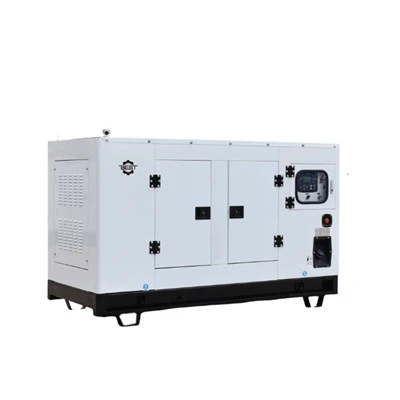
First off, let’s remember what a silent generator is, right? Regular generators make noise just by the engine roaring, exhaust blowing, parts vibrating – so we wrap ’em up in that insulated, sound-dampening enclosure, usually metal lined with foam and baffles. That enclosure isn’t just for quiet; it also keeps out dust, rain, little critters, and yeah – moisture. But here’s the thing: humidity isn’t just a light rain drop, it’s that thick, clinging moisture that hangs in the air, seeps into every crack, and doesn’t just sit on the surface. A lot of people think “it’s just damp air, what’s the big deal?” but I’ve seen way too many generators die early because they ignored this.
Let’s start with the big one: engine corrosion. The core of any generator is the internal combustion engine, all those metal parts – pistons, cylinders, crankshaft, valves – moving around, needing a thin layer of oil to keep ’em from scraping each other. Humidity is basically water vapor in the air. When a generator sits idle, even just a couple days, that vapor seeps through the gaps in the enclosure (even the tightest ones aren’t 100% airtight) and condenses on the cold metal parts. When water mixes with oxygen and the tiny amounts of sulfur or other chemicals in the engine’s blow-by gases, that’s rust. I had a customer last year – he’s a event planner down in Miami – stored his 20kW silent generator in his garage for three months between wedding seasons. When he fired it up for a summer wedding, the rust had eaten through a valve seal, and he had to replace half the engine. He thought “garage is dry enough” but Miami humidity is like 70% most days, easy. That’s not a one-off either – I see that at least twice a quarter from guys who underestimate how much even indoor humidity gets trapped around generators.
Wait, but what if you run the generator regularly? Does that fix it? Sort of, but not entirely. When the engine is running, it gets hot – like 200+ degrees Fahrenheit hot. That heat evaporates any condensation that’s built up, right? But here’s the catch: if humidity is super high, even running it once a week for 30 minutes might not cut it. Let’s say you’re in Houston, where humidity hits 85% or more in the summer. If you run your generator for half an hour, it might get hot enough to evaporate the surface moisture, but the parts that are deep inside – like the fuel injectors or the generator windings – stay a little damp. Those windings are copper wires wrapped in insulation, right? If moisture builds up there, that insulation can break down over time. I’ve had a commercial customer who used his generator for back-up power at a grocery store – it ran once a month, just for tests. After two years, the windings shorted out because the constant humidity never fully evaporated, even when it ran. That cost him a $5,000 repair bill, and he missed a whole weekend of sales when his fridge system went down. Ouch.
Next up, fuel issues, and that’s something every generator owner deals with, silent or not. When humidity mixes with the fuel (especially gasoline, which is way more prone to absorbing water than diesel), you get what’s called “phase separation.” That’s when water sinks to the bottom of the fuel tank, and the gas sits on top. For a silent generator, the fuel tank is usually tucked away inside the enclosure to keep it quiet – which also means it’s not getting any air exchange, so that moisture has nowhere to go. If you fire up the generator with that water-gas mix, the water will damage the fuel injectors, clog the carburetor (if it’s a smaller model), and even kill the engine mid-run. I had a construction customer in Tampa last year – he had a 50kW silent generator on a job site that sat for six weeks during rainy season. When he tried to fire it up to power his tools, the engine sputtered out after 10 minutes, and his whole crew was stuck waiting for a fuel system flush. That could’ve been avoided if he’d added a fuel stabilizer or drained a little water from the tank once a week.
Wait, is there any way humidity doesn’t affect a silent generator? Let’s not scare everyone away. If you’re using your generator regularly – like, running it for an hour every week, or using it as primary power for a cabin that’s in a humid area – that heat from the engine dries out moisture as fast as it seeps in. We design our silent enclosures with small vents on purpose, too – they let the hot air escape, so the engine doesn’t overheat, and that air flow also carries away excess moisture. The key is consistent use. If you’re only running it once every three months, then yeah, humidity is gonna be a problem.
Also, let’s talk about storage – that’s a big one for guys who rent generators (we sell rental models too, fyi) or store theirs for off-season. I tell all my customers: if you’re putting a silent generator away for more than two weeks in a humid place, don’t just tuck it in a corner. Add a desiccant pack inside the enclosure – those little silica gel things you get in shoe boxes, they absorb moisture. Or invest in a heated enclosure? Wait, no, not a whole heated unit, but a small electric dehumidifier inside the generator’s enclosure. We sell those as add-ons, super affordable, like $50 a pop, and they save you thousands in repairs later. I’ve tested this myself – we had a warehouse unit that sat unused for six months in our Florida warehouse, no desiccant, and when we checked it, the fuel tank had a quarter cup of water in the bottom. Add the desiccant, same unit, six months later, zero water. That’s not rocket science.
Wait, what about modern silent generators? Some people say “new models have seals, so humidity doesn’t get in” – but let’s be real, no seal is perfect. Even the best industrial-grade enclosure has tiny gaps for wiring, exhaust, and air flow for cooling. Humidity is so small it can slip through those gaps easier than dust, almost. I test every single generator we ship here, before it leaves the warehouse, in a humidity chamber – we crank it up to 90% humidity, run it for 24 hours, and check for any condensation inside the enclosure. Most pass, but every once in a while, a unit has a tiny gap we didn’t catch, and we have to reseal it. That’s why we don’t just ship ’em out sight unseen – we test ’em.
Another thing: electrical components. Silent generators have all kinds of electronics – the control panel, the voltage regulator, the starter motor. Those are sensitive to moisture too. If the control panel gets damp, the buttons can stick, or the digital display can short out. I had a customer last year who kept his generator in a shed behind his house in Atlanta – the shed was leaky, and the control panel got covered in dew one night. The next time he tried to start it, the display was dead, and he had to replace the whole control unit for $800. That’s a preventable cost, man.
So let’s wrap this up with some practical tips, since that’s what you came here for. First: if you use your generator regularly (once a week, running at least 30 minutes), humidity isn’t that big of a hassle – just make sure the vents on the enclosure aren’t blocked, so it can cool properly. Second: if you store your generator for more than two weeks, add a desiccant pack inside the enclosure, and if you’re in a really humid area, drain a little fuel from the bottom of the tank every month to check for water. Third: never skip the pre-shipping test we do – when you buy a silent generator from us, it’s already been checked for humidity-related leaks, so you don’t have to worry about that.
Here’s the thing: I don’t want you to think humidity is a death sentence for your silent generator. It’s just a factor you have to plan for, like you would with cold weather or dust. If you’re in a place where humidity is a constant – Florida, Louisiana, the Pacific Northwest – don’t buy a regular generator that’s just gonna be exposed. Invest in a proper silent generator, and follow those simple storage and use rules.

If you’re looking for a silent generator that’s built to handle humid conditions, or you have questions about how to maintain yours in sticky weather – hit me up. I’m here to help, not just sell a unit. We’ve been doing this for years, and I’ve fixed almost every issue you can think of with silent generators, including humidity problems. Just reach out, we can chat about your needs, run through what model would work best for you, and make sure you don’t have to deal with that Miami wedding disaster or Houston grocery store short story I told you earlier. No sales pitch pressure, just straight talk.
Open-type Generator Set References
- National Renewable Energy Laboratory. (2021). Effects of Humidity on Small Engine Generator Performance and Durability.
- International Organization for Standardization. (2019). ISO 8528-9: Reciprocating internal combustion engine driven alternating current generating sets – Part 9: Requirements for emergency and standby power systems.
- U.S. Department of Energy. (2020). Generator Maintenance Best Practices for Humid Climates.
- Society of Automotive Engineers. (2022). Corrosion Prevention in Mobile Power Generation Equipment.
China Modo Investment Co., Ltd.
As one of the most professional silent generator set manufacturers and suppliers in China, our products have good reputation in the market. We warmly welcome you to wholesale advanced silent generator set in stock here from our factory. If you have any enquiry about cooperation, please feel free to email us.
Address: Boye Industrial Park,Baoding city,Hebei Province,China.
E-mail: sales@mstengine.com
WebSite: https://www.mst-engine.com/
