If you’ve ever shelled out for a vertical machining center (VMC)—whether it’s for custom aerospace parts, medical device prototypes, or production runs for automotive components—you know it’s not just a big hunk of metal you bolt down in your shop. It’s an investment that needs to work day in, day out, and when it breaks or sputters mid-run, your whole schedule grinds to a halt. That’s where after-sales services for VMCs come in—and as someone who sells these machines, I’ll tell you we don’t just hand over the keys and disappear. Vertical Machining Centers
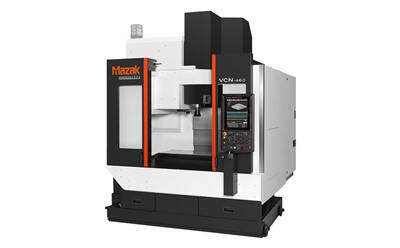
First, let’s cut through the jargon. A lot of new buyers ask me, “Why can’t I just fix it with a YouTube video?” Sure, you might swap a coolant filter or reset a sensor, but VMCs have precision components—ball screws, linear guides, spindle motors—that are calibrated to within thousandths of an inch. Mess up that calibration, and you’re wasting material, time, and money on scrap parts. That’s why our first big after-sales offering is on-site maintenance and emergency repair, and no, we don’t outsource this to random third-party techs. Our service team is made up of folks who trained side-by-side with the engineers who built each model we sell. If your spindle dies at 2 a.m. before a big customer job, we can have a tech at your shop in 24 hours (or less, if you’re in a pinch) with the exact replacement part, not a knockoff that’ll break in 3 months. We do scheduled maintenance checks too—quarterly or annual—where we’ll not only clean and lubricate parts but also do a precision alignment test with a laser interferometer, something most in-house maintenance teams don’t have access to. Last year, a customer in Chicago skipped their annual check, and their VMC was off by 0.008 inches on a batch of aluminum brackets. They had to scrap 50 parts and push a delivery back a week; that same year, another customer who did their quarterly checks had a tiny ball screw wear detected early, so we swapped it during a scheduled downtime and didn’t lose a single production shift.
Next up: training. Here’s a mistake a lot of shops make—they hire an operator who “knows CNC machines” and throw them at a new VMC. But each model has its own quirks—our mid-sized VMCs, for example, have a custom tool changer that only works with specific tool lengths, and if you load a tool that’s too short, it’ll crash into the worktable. We offer on-site or virtual training for every member of your team, not just the lead operator. New hires get hands-on sessions with actual machine time, not just a PowerPoint; we teach them how to spot red flags, like weird spindle noise or uneven chip ejection, before they turn into big problems. We also do advanced training for programmers, covering things like optimizing tool paths to reduce cycle time (we once helped a customer cut their cycle for a 10-part run from 2 hours to 45 minutes) and troubleshooting G-code errors that pop up with complex parts. A lot of suppliers charge extra for training, but we include it in the initial purchase price—no hidden fees, no “upgrades” that cost you more later.
Then there’s spare parts support. Let’s be real: even the best VMCs will need a part replaced eventually. We keep a 98% stock of common replacement parts—spindle bearings, tool changers, coolant pumps—at our warehouse, so if you need a part, you don’t have to wait 6 weeks for it to ship from overseas. We also sell OEM-only parts, not generic ones, because a generic filter might save you $10 now, but it can clog your coolant system and ruin a $500 cutting tool. For customers who run their VMCs 24/7, we offer a consignment program: we store a set of pre-approved parts at your shop, so you don’t have to tie up cash in inventory, and you only pay when you use them. Last quarter, a customer in Detroit had a tool changer fail during a night shift; they pulled a replacement from our consignment stock, had it installed by their in-house team the next morning, and lost zero production time.
Software updates and technical support are another big one. VMCs rely on control systems—think Siemens Sinumerik or Fanuc—that get updated every couple of years to fix bugs, add new features, and improve performance. We don’t make you pay for these updates; we send them to you for free, and our techs can walk you through installing them, either remotely or on-site. Remote support is a game-changer, by the way. If you have a minor issue, like a control panel error code, we can log into your machine’s system from our office, diagnose the problem in 10 minutes, and tell you exactly how to fix it—no tech travel needed, saving you time and money. We have a 24/7 support hotline too, so if you’re dealing with a midnight emergency, you’re not stuck on hold with a generic call center. Our techs are actual VMC specialists, not reading from a script; last month, a customer in Texas called at 1 a.m. because their machine wouldn’t start, and the tech walked them through checking a loose power connection over the phone, no on-site visit required.
Warranty coverage: let’s clarify what’s included here, because some suppliers try to slip fine print. Our standard warranty covers parts and labor for 12 months, but we also offer extended warranty plans that go up to 5 years, which is perfect for shops that run their VMCs hard. The warranty covers unexpected failures, not regular wear and tear, but we’ll give you a discount on extended warranties if you sign up for our scheduled maintenance plan. We also have a loyalty program for repeat customers—if you buy a second or third VMC from us, you get 10% off spare parts and free annual maintenance checks. A lot of buyers don’t think about this when they’re making a first purchase, but after-sales support is what keeps your shop running smoothly, and it’s way cheaper than buying a new machine every few years because you skipped maintenance.
Wait, let’s talk about something a lot of people overlook: retrofit services. If you already have a VMC that works, but it’s getting slow, or the control system is outdated, we can upgrade it instead of making you buy a whole new machine. We’ll swap out the old control system, add a new linear guide system, or even convert it to 5-axis capability, which is a fraction of the cost of a new VMC. Last year, a customer in Ohio had a 10-year-old VMC that was only making 2 parts a day; we retrofitted it, and now it makes 5 parts a day, and they didn’t have to spend $100k on a new machine. That’s the kind of after-sales service that actually adds value to your investment, not just fixes problems.
Now, let’s be honest—there are bad players out there. Some suppliers will sell you a VMC, then act like you’re bothering them if you call with a question. They’ll tell you to “call a local repair guy” instead of sending a tech, or charge you $500 just to look at a machine. That’s why we’ve built our whole business on after-sales support—we know that a happy customer is a customer who’ll come back, and who’ll refer us to other shops. Last year, 70% of our new customers came from referrals, and that’s because our after-sales service is better than the competition.
So, what does this mean for you? If you’re in the market for a VMC, don’t just look at the price tag. Ask the supplier: what’s their emergency response time? Do they offer in-house training? How quickly can you get a spare part? Do they have remote support? Those are the questions that will save you thousands of dollars in downtime and repairs down the line.
At the end of the day, a VMC is only as good as the support behind it. You’re not just buying a machine—you’re buying a partner to keep your shop running. If you’re ready to talk about your needs, whether it’s a new VMC, a retrofit, or a maintenance plan, reach out to our team. We’ll walk you through every step, no sales pitch, no hidden fees, just straight talk about what your shop needs to succeed.
Multi-Tasking Machines References:
- Manufacturing Extension Partnership. (2022). Vertical Machining Center Maintenance Best Practices. U.S. Department of Commerce.
- ASME B5.54. (2021). Performance Standards for Vertical Machining Centers. American Society of Mechanical Engineers.
- Modern Machine Shop. (2023). "The Hidden Cost of Ignoring VMC Maintenance." Gardner Business Media.
- Fanuc Corporation. (2022). VMC Control System Upgrade Guide for Job Shops.
- National Tooling and Machining Association. (2023). After-Sales Support Standards for CNC Equipment Suppliers.
Hermens Industrial Co., Ltd.
As one of the most professional vertical machining centers enterprises in China, we’re featured by quality products and low price. Please rest assured to buy cheap vertical machining centers in stock here and get quotation from our factory. We also accept customized orders.
Address: 9/59 Moo 14, Rachathewa , Bang Phli , Samut Prakan Province 10540
E-mail: liu_jincheng@hzhemen.com
WebSite: https://www.hermensindustrial.com/
