If you’ve ever slipped into a thermal layer on a frigid morning, or wrapped yourself in a soft, warm wrap after a cold day outdoors, you’ve interacted with thermal fabric—you just might not have stopped to ask what it’s actually made of. For years, I’ve supplied thermal fabrics to outdoor brands, performance apparel makers, and even hospital teams needing reliable, low-temperature-regulation textiles, and one question comes up more than any other: “Is thermal fabric just ‘thick fabric’?” The short answer? No. Thick doesn’t equal warm, and too much bulk can lead to overheating, chafing, or even discomfort when you need mobility. Thermal fabric’s magic comes from a precise mix of materials, tailored to trap heat without weighing you down, and designed to perform whether you’re skiing a slope, commuting through a snowstorm, or recovering in a medical setting. Thermal Fabric
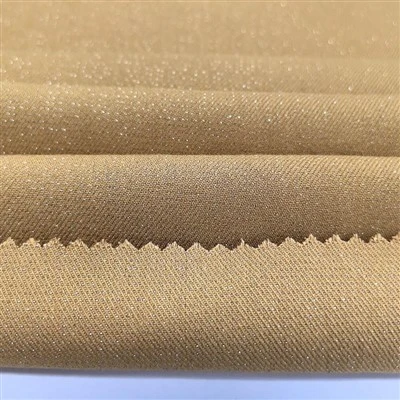
Let’s break this down by the core categories of thermal fabric materials, how they work, and why each matters. No fancy jargon, just real-world context from someone who’s spent years testing, sourcing, and shipping these textiles.
First, the most foundational category: natural insulating fibers, which have been used for thermal wear for centuries, long before modern synthetic materials hit the market. Wool is the big one here, and not just any wool. Merino wool, specifically, is a staple in high-end thermal layers, and for good reason. Unlike scratchy coarse wool from traditional sheep breeds, Merino wool fibers are extremely fine—usually between 11.5 and 24 micrometers, thin enough that they lay flat against the skin without irritation. That softness isn’t just a marketing perk; it directly aids insulation. The crimped, curly structure of Merino fibers creates tiny, dead air pockets between and within strands. Air is a terrible conductor of heat, so those pockets act like tiny individual blankets, trapping the warm air your body emits while preventing cold external air from seeping in. What makes Merino stand out even more is its moisture management: it can absorb up to 30% of its weight in sweat without feeling damp, and it naturally has antibacterial properties, so it resists odor even after multiple wears. I’ve worked with brands that use 100% Merino for base layers for winter hikers, and the feedback is consistent—people say they stay warm through sweat breaks and don’t get that clammy chill that comes with cotton, another natural fiber that’s long been a poor choice for thermal wear. Cotton absorbs moisture easily and takes forever to dry, so once it’s wet, it stops insulating entirely. That’s why even if you love the feel of cotton, it’s not part of our core thermal offerings.
Sheep’s not the only natural animal fiber used in thermal fabrics. Cashmere, from the undercoat of cashmere goats, is another premium option, prized for its ultra-fine fibers and exceptional softness. Like Merino, it has a crimped structure that creates insulation, and it’s lighter than wool for the same warmth. Cashmere thermal wraps and sweaters are popular for casual cold weather use, though they’re more delicate and expensive than other options, so they’re usually reserved for lifestyle brands rather than high-performance outerwear. One underrated natural fiber I’ve started supplying more of in recent years is alpaca fiber, specifically from Huacaya alpacas. Their fibers are hollow, a feature that makes them even more insulating than Merino while being hypoallergenic—perfect for people with sensitive skin or wool allergies. We blend small amounts of alpaca with synthetic fibers for mid-layers to add softness without upping the cost too much, and it’s become a fan favorite for custom thermal sets for local outdoor clubs.
Now, moving to synthetic fibers, which have revolutionized thermal fabric over the last 70 years, and make up the majority of the thermal textiles we supply today. The biggest name here is polyester, specifically the type designed for thermal performance: recycled polyester (rPET) is what we use for most of our mid-layer fabrics, for a good reason. First, polyester is lightweight and durable, so it holds up to repeated washes and outdoor abuse. Its hollow fiber design (we engineer these with a slight central cavity, just like alpaca) creates those same dead air pockets that natural fibers do, trapping heat without adding bulk. Unlike natural fibers, polyester repels moisture rather than absorbing it, so it wicks sweat away from the skin to the outer layer, where it can evaporate. That’s a game-changer for people doing active cold weather activities: no more soggy, cold fabric next to your skin. I remember testing a prototype thermal base layer made with 100% rPET a few years back, and even after a 10-mile hike where I was sweating nonstop, the inside of the layer stayed dry. That’s the kind of performance we prioritize.
Another key synthetic is polypropylene, which is the lightest weight synthetic thermal fiber out there. It’s so effective at wicking moisture that it’s often used for base layers in high-performance gear for athletes, runners, and skiers. Polypropylene doesn’t absorb any moisture at all—its surface is non-porous, so sweat moves right through it. That said, it’s not as insulating as polyester or Merino, so it’s usually blended with other fibers to add warmth. We also use a small amount of spandex in some thermal fabrics, mostly for stretch. Thermal wear needs to move with you, whether you’re bending to tie skis or reaching for a grocery bag, so adding 2-5% spandex gives the fabric 4-way stretch without sacrificing insulation. It’s a small addition, but it makes a huge difference in comfort.
One synthetic innovation I’m particularly proud to offer is Primaloft, a brand of synthetic insulation that mimics the performance of down, but is waterproof and works when wet. That’s a massive upgrade from traditional down, which loses all insulating power the second it gets damp. Primaloft is made from ultra-fine polyester fibers, woven into a lofty structure that traps air just like down, and it’s even more compressible for easy packing. We supply Primaloft-filled thermal vests and outer layers for mountaineering teams and emergency response groups, who need gear that works in rain, snow, or even freezing rain—conditions where down would fail. A lot of people ask if synthetic thermal fabrics can feel as soft as natural ones, and the answer is yes, if you source the right grade. We don’t use cheap, scratchy synthetic fibers; we work with mills that process them into fine, smooth yarns that feel almost as soft as Merino, so you don’t have to choose between performance and comfort.
I should also mention the process that turns these fibers into thermal fabric, because the structure of the fabric itself is just as important as the materials. It’s not just a flat sheet of yarn; most thermal fabrics are knitted in a way that creates a plush, napped surface on one or both sides. Napping is a process where soft, short fibers are raised from the fabric’s surface, creating a fuzzy layer that traps even more air. For base layers, often only the inner side is napped, so it feels soft against the skin, while the outer side is smooth to pair with outer layers. For mid-layers, both sides might be napped for extra warmth. Some thermal fabrics are also constructed as fleece, which is a type of knitted fabric with a napped inner layer and a slightly denser outer layer, perfect for casual or active use. We use a variety of knit structures—jersey, rib knit, interlock knit—depending on the customer’s needs: rib knit for extra stretch and insulation, interlock for a smoother, more durable surface that works for outer layers.
Now, let’s talk about who uses our thermal fabrics, because that’s part of why the mix of materials matters so much. We supply to three main groups: outdoor and performance apparel brands, medical and hospitality providers, and custom clients like schools and athletic teams. For outdoor brands, we often blend Merino and rPET for base layers—soft enough for casual hikers, durable enough for backcountry skiers. For medical providers, we make hypoallergenic thermal blankets and patient gowns, usually with a blend of alpaca and polyester, to avoid irritating sensitive skin during surgery or recovery. For hospitality, we supply thermal table linens that keep food warm for catered events, using a specialized polyester blend that’s heat-resistant and easy to clean. Each use case needs a different balance of materials, which is why we work directly with each client to tailor the fabric to their needs, rather than offering a one-size-fits-all product.
I’ve seen a lot of myths about thermal fabrics over the years, so let’s bust a couple more here. A common one is that “all thermal fabric is the same,” but that’s not true. A $10 thermal shirt from a big box store is probably made of cheap, low-quality polyester that pills after a few washes and loses its insulating power. A $100 Merino base layer is made of fine, high-grade Merino that will last for years and keep you warm through repeated wears. Another myth is that natural materials are always better for thermal use, but that’s not the case for everyone. If you’re someone who sweats a lot during winter activities, polyester or polypropylene blends will perform better than Merino, because they wick moisture away faster. If you’re allergic to wool, alpaca or high-quality synthetic blends are a far better choice than Merino.

At the end of the day, thermal fabric is all about balance: between warmth and weight, comfort and durability, natural materials and modern synthetics. As someone who’s been in this industry for years, I care less about fancy labels or trending materials, and more about delivering a fabric that actually works for the people who use it. Whether you’re building a line of outdoor gear, sourcing linens for your restaurant, or need custom thermal apparel for your team, we can work with you to create the right blend for your needs. If you’re ready to discuss a project, share your requirements, or ask more about the materials we use, feel free to reach out to connect for a procurement conversation. We’d be happy to walk through samples, talk about custom blends, and make sure you get a thermal fabric that meets your standards.
Polyester Fabric References
- International Wool Textile Organization. (2022). Thermal Performance of Natural Fibers.
- Textile Institute. (2021). Synthetic Insulation for Cold Weather Apparel.
- Journal of Industrial Textiles. (2020). Moisture Management in Thermal Fabrics for Active Wear.
- Alpaca Owners Association. (2023). Physical Properties of Huacaya Alpaca Fiber for Textile Use.
Hangzhou Kangsheng Textile Co., Ltd.
Hangzhou Kangsheng Textile Co., Ltd. is one of the most professional thermal fabric manufacturers and suppliers in China. We have world-leading production equipment and strong manufacturing capabilities. Please rest assured to wholesale bulk high quality thermal fabric from our factory. Also, custom service is available.
Address: 22# Building, K7 Original park,No.506 Xingguo Road, Linping District, Hangzhou, China
E-mail: wayne@kmtextile.net
WebSite: https://www.kangshengtextile.com/
