Hey there, ever scrolled through a medical blog or a new drug announcement and seen “peptide therapy” pop up like it’s the latest wellness trend? I’ll admit, when I first got into the drug peptide game (yeah, that’s what we call it behind closed doors), I thought peptides were just another fancy supplement buzzword. Turns out? They’re way more specific, way more powerful, and honestly, they’re changing how we treat a ton of conditions—from chronic pain to hormone imbalances, even some autoimmune stuff. As a drug peptide supplier, I get asked nonstop: what are these things, exactly, and how do they even work? Let’s break it down like we’re chatting over coffee, no stuffy lab jargon unless it makes sense. Drug Peptides
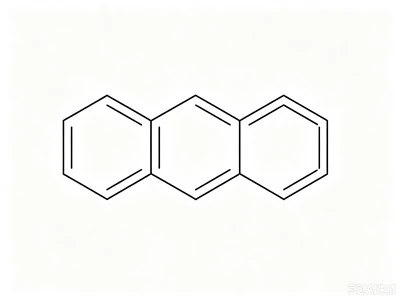
First off, let’s start with the basics. You know proteins, right? They’re the building blocks of literally every part of your body—your muscles, your hormones, your immune cells, everything. And amino acids? They’re the tiny links that make up proteins. A peptide is just a short chain of those amino acids—like, way shorter than a full protein. Think of a protein as a 100-page novel, and a peptide as a 2-sentence text message. That brevity is why they’re such a big deal for drugs: they’re specific, don’t hang around your body longer than they need to, and can target exactly what’s broken without a ton of side effects. No, they’re not the same as the peptide supplements you see at the gym for muscle growth (those are usually for research or wellness, not medical use—important distinction!). We make drug peptides that are rigorously tested for clinical or pharmaceutical use, not the stuff you’d grab at a nutrition store.
Now, how do they work? Let’s keep this simple. Your body’s cells are like cities, right? They have “doors” on their surfaces called receptors. Each receptor is super picky—only lets certain things in, like a bouncer at a club. Peptides fit into these receptors perfectly, like a key into a lock. That’s why their specificity is chef’s kiss. Let’s use a super common example: insulin. Wait, insulin is a peptide! Yeah, I didn’t always realize that. When you eat, your body releases insulin (a small peptide chain) that locks onto receptors on your cells and tells them, “Hey, take up that sugar from your blood, we need energy!” For people with Type 1 diabetes, their bodies don’t make enough insulin, so we use synthetic peptide insulin to do the job. Another example: maybe you’ve heard of GLP-1 agonists for diabetes or weight loss? Those are peptides too! They tell your pancreas to make more insulin, slow down how fast your stomach empties, and even tell your brain you’re full. No wonder they’ve been such a game-changer for a lot of folks.
Wait, it’s not just hormones, either. Peptides work for all kinds of stuff. Let’s say you have chronic pain from an injury or arthritis. There are pain-targeting peptides that lock onto receptors in your nervous system and block the pain signal before it even gets to your brain—no heavy opioids that can mess with your whole body. For autoimmune conditions, peptides can even “teach” your immune system to stop attacking your own cells. How? They present a tiny, harmless piece of the protein your immune system’s messing up to your T-cells, so they stop overreacting. It’s like a peace treaty for your immune system, basically.
Here’s the thing that makes us (as a drug peptide supplier) so focused on this space: peptides are way more versatile than old-school small-molecule drugs. Those small-molecule drugs are like sledgehammers—they hit a lot of things, which is why you get all those side effects. Peptides are more like precision screwdrivers—they only hit the exact target you want. But they do have a flaw, right? Because they’re short chains of amino acids, your body’s enzymes (the little cleanup crew) break them down super fast. Like, some peptides only last a few minutes in your bloodstream. That’s why we spend so much time modifying peptides to make them last longer—maybe adding a tiny chemical tag that keeps them from being broken down too quickly, or delivering them in a way that releases them slowly over time.
Wait, let’s talk about how we actually make these drug peptides, because people always ask that. It’s not like growing them in a lab jar with yeast or something (though some are, for larger-scale production). We do solid-phase peptide synthesis, which sounds fancy but is basically building the amino acid chain one link at a time on a tiny resin bead. We add each amino acid, check to make sure it’s in the right spot, then move to the next. It’s precise work—one wrong amino acid and the whole peptide doesn’t work the way it’s supposed to. That’s why quality control is non-negotiable for us. Every batch we make gets tested for purity, stability, and how well it binds to its target. We don’t cut corners here, because these peptides are used for real patient treatments, research, and clinical trials.
Let’s clear up another common mix-up: peptides vs. biologics. Biologics are larger, more complex—think monoclonal antibodies, which are used for cancer or autoimmune diseases. Peptides are a type of biologic, but way smaller, easier to synthesize consistently, and less expensive to produce at scale. That’s why more and more drug companies are turning to peptides for new treatments. They’re filling the gap between small-molecule drugs (too broad) and full biologics (too big, pricey, and hard to make).
Now, let’s get real about where drug peptides are headed. A few years ago, most of the big peptide drugs were for diabetes and hormone issues, but now they’re branching out. We’re working on peptides for rare diseases that had no treatment before—like some genetic disorders that mess up hormone signaling. There’s also research on peptides for neurodegenerative diseases, like Alzheimer’s, that can cross the blood-brain barrier (yeah, that’s a tricky gate that most drugs can’t get through, but peptides are small enough sometimes). Even cancer—there are peptide therapies that target only cancer cells, so they don’t kill healthy ones like chemo does.
As a drug peptide supplier, our job isn’t just to send out high-quality peptides. We work with pharma companies, research institutions, and even clinical trial teams to make sure they have exactly what they need, whether that’s a custom peptide for a new drug candidate, a bulk supply for a Phase 3 trial, or a small batch for early research. Everyone in this space knows that consistency and purity make all the difference—if a peptide’s not the exact sequence it’s supposed to be, the whole study or treatment is off. That’s why we have strict testing protocols, and our team includes chemists, biologists, and quality experts who live and breathe this stuff.
Wait, I should address a question I get all the time from potential partners: are these peptides safe? The short answer is, when they’re made correctly and used as intended, yes. Because they work by fitting into specific receptors, they don’t interact with a bunch of other systems in your body like many other drugs do. Of course, like any treatment, there can be side effects—maybe a mild reaction at the injection site, or rare cases of the immune system reacting to the peptide. But compared to many traditional drugs, the side effect profile is way better. That’s why regulatory bodies like the FDA are approving more and more peptide drugs every year—they’ve got a solid track record of safety.
Let me wrap this up. Drug peptides are short, specific amino acid chains that act like precision keys in your body’s cell receptors, targeting exactly what’s wrong without the mess of broader drugs. They’re used for everything from diabetes to pain management, autoimmune conditions, and even cutting-edge cancer treatments. Their small size makes them versatile, affordable, and easier to modify to last longer in the body. As a drug peptide supplier, we’re proud to be part of this space—helping research teams and pharma companies turn these promising molecules into treatments that actually help people.
If you’re a researcher working on a new peptide drug, a company looking for a reliable bulk supplier, or someone just curious about how these molecules work, we’re here to help. Whether you need a custom peptide synthesized, bulk supply for trials, or just more info on what we can offer, don’t hesitate to reach out to connect and discuss your specific needs.
Cell Interaction Peptides References:
- Craik, D. J., Fairlie, D. P., Liras, S., & Price, D. (2013). The future of peptide-based drugs. Chemical Biology & Drug Design, 81(1), 136–147.
- Fosgerau, K., & Hoffmann, T. (2015). Peptide therapeutics: current status and future directions. Drug Discovery Today, 20(1), 122–128.
- Kim, S. K., & Rajasekaran, M. (2018). Peptide-based therapeutics: a patent review (2013–2017). Expert Opinion on Therapeutic Patents, 28(1), 1–14.
- Vlieghe, P., Lisowski, V., Martinez, J., & Khrestchatisky, M. (2010). Synthetic therapeutic peptides: science and market. Drug Discovery Today, 15(1–2), 40–56.
Shanghai Sonyt Biotechnology Co., Ltd.
Shanghai Sonyt Biotechnology Co., Ltd. is one of the most reliable drug peptides manufacturers and suppliers in China. With abundant experience, we warmly welcome you to wholesale custom made drug peptides from our factory. If you have any enquiry about cooperation, please feel free to email us.
Address: No.5, 11th Floor, Building 11, 6055 Jin Hai Highway, Fengxian District, Shanghai
E-mail: sonytbio@163.com
WebSite: https://www.sonyt.com/
