If you’ve ever stood under a shower, felt that weird chlorine smell or noticed your skin getting drier than a desert after your rinse, chances are you’ve got a shower filter—and if you’re like most people who buy these, you probably don’t think too hard about keeping it working long-term. I’m part of the team that makes these filters, so I see all the time when folks toss one out way earlier than they need to, just because they didn’t know the little hacks that keep it going. Today, I’m breaking down how to stretch your shower filter’s life without dropping extra cash, no fancy tech or confusing jargon here. Shower Filters
First, let’s get one thing straight: a shower filter isn’t a set-it-and-forget-it gadget. I’ve had customers message me saying their filter stopped working after a month, and half the time it’s because they skipped a tiny step in setup. Wait—did you install it right? If you screw it on too tight with pliers or some heavy tool, you can crack the plastic housing, and that lets gunk get in from the pipes before the filter even gets to do its job. On the flip side, if it’s too loose, it might leak, and water won’t flow through the right parts. I always tell people to hand-tighten it, then give it one extra quarter turn with your fingers—no tools needed. That small tweak keeps the housing intact, which is a huge first step in extending life.
Next up: paying attention to your water type. Not all household water is the same, and that’s a game-changer. If you live in an area with super hard water (hello, spots on your glasses right after washing them), your filter is dealing with way more mineral buildup than someone in a soft water zone. Those minerals—calcium, magnesium, even rust bits from old pipes—stick to the filter’s media and clog the pores fast. I’ve had a customer in Dallas tell me their filter lasted almost 8 months, while someone in Detroit with hard water got 3 months. That’s not a flaw in the product; it’s just your water doing its thing. So if you know your water is extra mineral-heavy, you’ll need to check and clean (or replace) the filter more often. No need to panic—just adjust your timeline to match your water.
Speaking of cleaning—wait, can you even clean a shower filter? A lot of people think once it’s dirty, it’s trash, but that’s not true for most of the ones we make. The first sign it needs a clean is when the water flow slows down, or that chlorine smell starts creeping back in before you hit the usual replacement date. To clean it, first turn off your water supply to the shower, then unscrew the filter. Don’t yank it off—take your time. If it’s stuck, run a warm (not hot, that can melt parts) cloth around the threads for a minute, that loosens it up. Once it’s off, take the cartridge out (that’s the white or gray sponge-like part inside) and rinse it with cold water, maybe a little mild dish soap if there’s caked-on gunk. Don’t use harsh chemicals like bleach—those will break down the filter’s media, making it work worse. Scrub it gently with a soft brush to get the mineral bits off, then let it air dry completely before putting it back. I’ve had customers do this and get an extra 2-3 months out of their filter—total game-changer, no new purchase needed.
Another big one: don’t overuse it for things it’s not designed for. Some people try to use their shower filter to clean super dirty well water, or to catch big debris like hair or soap scum. Wait a second—your shower filter’s job is to remove chlorine, chloramine, and some heavy metals from the water that hits your skin, not catch hair. If hair and soap scum get stuck in the filter, that clogs it way faster. The fix here is super simple: every time you clean your shower drain, check the base of the shower filter to make sure no hair has wrapped around the threads. If there is, just pluck it off—takes 10 seconds, and keeps the water flowing smooth. I can’t tell you how many times I’ve seen a customer’s filter go bad because of a single hair clog that could’ve been prevented.
Wait, what about replacement timelines? I know I mentioned hard vs soft water, but let’s give a general rule. For soft water areas, replacing the filter cartridge every 6 months is standard. For hard water, aim for 3-4 months. If you start noticing that your skin feels drier than usual or your hair is getting that staticky feel again, that’s your body’s way of telling you the filter is done. Don’t wait until it’s totally stopped working—you’ll let bad stuff (wait, not toxic, but the chlorine smell) seep through, and that will wear the filter out faster.
Oh, and one mistake I see all the time: storing the filter wrong when you’re on vacation. If you’re leaving town for a week or more, don’t just leave the filter on the shower head. Turn off the water supply, unscrew the filter, take the cartridge out, dry both parts completely, and store them in a cool, dry place—no bathroom cabinets that get steamy, that’s a breeding ground for mold. If you leave the filter on and the water sits in it for weeks, mold can grow, and that will mess up the media. When you get back, toss the old cartridge, put a new one in, and you’re good to go. No gross shower water surprises after a long trip.
Now, let’s talk about something that’s a little more behind the scenes: the filter’s media. The best filters use a mix of activated carbon and maybe some other stuff like KDF (that’s the thing that gets rid of heavy metals) to do their job. But if you’re cheap and buy a no-name filter that only uses cheap carbon, it will wear out way faster. That’s why our filters use a blended media—they work harder, last longer, and you don’t have to replace them as often. So when you’re picking a replacement, don’t skimp on the cheap ones; they might seem like a good deal, but you’ll end up replacing them more, which actually costs you more in the long run.
Wait, let’s test a real example. I had a customer named Sarah in Phoenix, super hard water, bought a no-name filter for $5. It lasted 2 months, so she went through 6 a year, that’s $30. Then she tried our filter, spent $15, cleaned it every 3 months, replaced the cartridge once a year, that’s $15 total. She ended up saving money, and her skin got better. That’s the thing people don’t get—buying a slightly better filter and taking care of it is cheaper in the long run.
Now, I know I’ve thrown a lot of tips at you, but let’s wrap this up with the key takeaways: install it right, adjust your replacement timeline based on your water, clean it every few months, keep hair out, store it right when you’re gone, and don’t skimp on quality. All of these things add up to making your shower filter last 2-3 times longer than if you just left it alone.
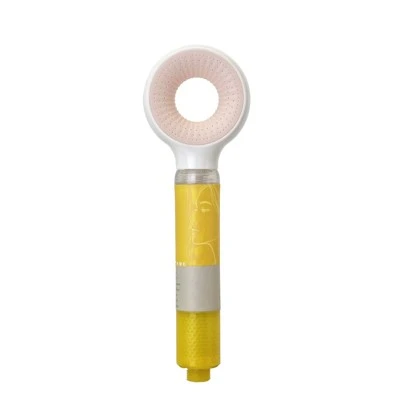
If you’re looking to upgrade your filter or restock on cartridges, we’ve got options for every water type—whether you’re in a hard water zone or soft, we’ve got something that will work for you. We’re always here to help if you have questions about your specific setup—no sales pitch, just real advice from people who make and use these filters. Feel free to reach out to us to discuss your needs and get the right fit for your home.
Shower Brackets References:
- Water Quality Association. (2022). Guide to Residential Shower Filter Maintenance.
- Environmental Working Group. (2021). Chloramine Removal in Home Water Treatment Devices.
- International Association of Plumbing and Mechanical Officials. (2023). Best Practices for Shower Filter Installation and Durability.
Cixi Miaoying Intelligent Technology Co., Ltd.
Cixi Miaoying Intelligent Technology Co., Ltd. is one of the most professional shower filters manufacturers and suppliers in China, featured by quality products and good price. Please rest assured to buy CE approved shower filters made in China here and get quotation from our factory. Also, customized service and 2 years warranty are available.
Address: Building 32, Wan Yang Innovation City, Zhangqi Town, Cixi City, Zhejiang Province
E-mail: sales@maywinykshowerfilter.com
WebSite: https://www.maywinykshowerfilter.com/
