If you’ve ever handed a pair of cut-resistant gloves to a line cook prepping raw steaks at a busy restaurant, or slid a pair of cut-resistant sleeves over a warehouse worker’s arms before a shift moving metal sheets, you’ve probably heard the same question: “How long will this actually last?” As a cut-resistant fabric supplier, I get asked this all the time—by small café owners wondering if they’re wasting money on overpriced gear, by factory managers trying to cut annual safety costs, by first responders who need gear that doesn’t fail mid-call. The short answer isn’t a number like “12 months” or “5 years”—it’s more nuanced, tied to how the fabric is made, how it’s used, and how you care for it. Today, I want to break that down like I would for any of my clients sitting across my desk, no sales fluff, just real, science-backed info from someone who’s been in this industry for 12 years. Cut Resistant Fabric
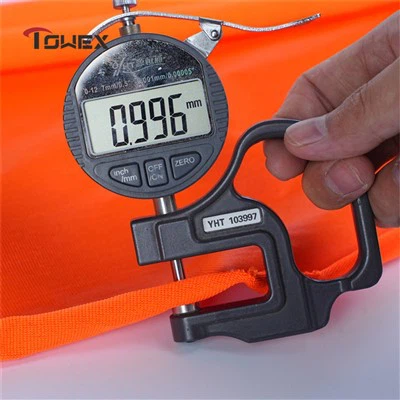
First, let’s get one thing straight: not all cut-resistant fabrics are the same. You can’t compare the fabric woven for a fine-dining chef’s knife-resistant gloves to the heavy-duty fabric used for construction workers cutting rebar, to the anti-slash fabric used by law enforcement officers. The core material makes all the difference, and that’s the biggest predictor of lifespan. Most high-performance cut-resistant fabrics fall into three categories now, and each has a different natural durability window when used correctly.
The oldest and most common is high-molecular-weight polyethylene (HMPE), marketed under brand names like Spectra or Dyneema. This stuff is super strong for its weight—enough to stop a kitchen knife or even a light utility blade, which is why it’s so popular in food service and general industrial work. HMPE’s molecular structure is what gives it that strength: long, tightly packed polymer chains that don’t snip easily when a blade’s edge slides across them. But here’s the thing about HMPE: it breaks down when exposed to UV light. If you leave a pair of HMPE gloves hanging on a hook by a loading dock door, where sunlight hits them 10 hours a day, those polymer chains start to degrade. That’s not a matter of months—it can be noticeable in as little as 6 months. Even indoors, constant exposure to heat, like near a kitchen stove or a welding torch’s nearby spark, speeds that breakdown too. When HMPE breaks down, it starts to feel fuzzy or grainy, and when you run a blade across it, it snips instead of resisting. For HMPE gear used in a climate-controlled warehouse or a back-of-house kitchen, away from direct sunlight and extreme heat, the average lifespan is 2 to 3 years of regular use.
Then there’s aramid fiber, like Kevlar or Twaron. This is the stuff you’ll find in heavy-duty cut-resistant gloves for construction, metal fabrication, or any job where you’re dealing with sharp, thick materials that can exert more force on a blade. Aramid has a different molecular structure than HMPE: it’s aromatic polyamide, with chains that are bonded to each other, making it more heat-resistant than HMPE. Aramid can handle short exposure to sparks or small flames without melting, which is a big plus for welders or metal workers. But aramid’s kryptonite is abrasion, not UV light, mostly. If you’re rubbing fabric against rough concrete, sharp metal edges, or even the cuffs of your gloves that catch on machinery all day, those bonded chains start to fray and break. I’ve seen aramid sleeves that are in perfect shape for 4 years when used in a closed, low-abrasion setting like a parts assembly line, but only last 18 months when used by workers grabbing rusted metal sheets off a loading dock. Another thing to note about aramid: it can be weakened by harsh chemicals, like some strong cleaning solvents, so if you’re washing your gear with bleach or heavy-duty degreasers, that cuts its life short too.
The third category is the newer breed of metal-blend cut-resistant fabrics, usually made with stainless steel or carbon steel fibers woven into synthetic fibers. These are the heavy hitters—used for things like meat processing plants, where workers are using very sharp knives for 8 to 10 hour shifts, or for first responders working with jagged metal debris. Metal-blend fabrics have the longest natural cut resistance of all, but they’re prone to rust. If you get them wet and don’t dry them properly, even a little bit of moisture can start to corrode the steel fibers over time, which makes them brittle and reduces their cut resistance. I once had a meat processing plant client who washed their cut-resistant aprons in a commercial washer and let them sit in a damp laundry bin for 2 days every week—their aprons started rusting in less than a year, and the cut resistance dropped by 30% in that time. When they started hanging them to dry immediately after washing, those same aprons lasted 4 to 5 years. That’s a huge difference, and it’s almost entirely from care.
Now, “regular use” is another variable that I can’t stress enough. When a supplier like me quotes a lifespan, we’re talking about regular, intended use—not misuse. If you buy a pair of kitchen-grade cut-resistant gloves and use them to pry open crates with a crowbar, that’s not regular use. That’s abusing gear that wasn’t designed for that job. I had a client a few years back who asked for bulk cut-resistant sleeves for their landscaping crew, who were using them to clear brush and pry apart fallen tree branches. The standard HMPE sleeves I sell for landscaping actually had a 1-year lifespan in that use case, but their crew was cutting them open on sharp twigs within 3 months because they were using the sleeves to lever branches instead of handling sharp trimmers. Once we switched them to a heavier-duty, abrasion-resistant aramid blend, the lifespan went up to 18 months, which aligned with what we’d projected. So context matters: regular use isn’t just “using it every day”—it’s using it for the job it’s made for, not straining it beyond its design limits.
Care and maintenance might be the biggest factor in how long your cut-resistant fabric lasts, more than the material itself. Most people don’t realize that these fabrics aren’t indestructible, and they need basic care just like any other work gear. Let’s break that down, because it’s where I see the most avoidable wasted money.
First, washing. That’s the thing that surprises people most. A lot of cut-resistant fabrics can be washed, but not all in the same way. HMPE and aramid fabrics can usually be machine-washed on a gentle cycle with mild detergent—no bleach, no fabric softener, because both can break down the fibers. Metal-blend fabrics need to be hand-washed or machine-washed on an extra-gentle cycle, and you should never use hot water, because heat can set in moisture and speed up rust. The big rule: never put cut-resistant fabrics in the dryer. The high heat from a dryer can melt synthetic fibers, warp metal fibers, and break down polymer chains. Air-drying is non-negotiable if you want your gear to last.
Then there’s storage. If you’re using cut-resistant gear on a daily basis, storing it in a clean, dry place when you’re not using it is key. Leaving gloves crumpled in a toolbox with nails and screws, or sleeves bunched up under a workbench where they’re exposed to dust and moisture, will cause abrasion and degradation even when you’re not actively using them. I always recommend keeping spare gear hanging on hooks or stored in labeled bins, separate from other tools, to avoid snags and moisture.
Inspection is another big one that most workplaces skip. I tell every client to do a quick check of their cut-resistant gear at the start of each shift. Look for small snags, frayed edges, or discoloration—those are early signs that the fabric’s resistance is starting to drop. A small snag on a glove’s thumb might not seem like a big deal, but that spot is where a knife is most likely to slip, and a frayed fiber there means the fabric can’t stop a cut as well. Catching those small issues early means you can retire the gear before it fails, instead of waiting until it’s full of holes and has to be replaced immediately. I’ve seen workplaces that do weekly inspections extend their gear’s lifespan by 20-30% just by replacing small pairs of gloves or sleeves before they become a hazard.
Now, let’s talk about real-world examples, because numbers without context don’t mean anything. Last year, I worked with a large regional grocery chain that has 12 stores, each with 8 butchers using cut-resistant aprons and gloves every day. They were going through over 200 sets of gear a year, at a cost of almost $15,000, and they were frustrated that it seemed like the gear only lasted 6 months. When we dug into their process, we found out two things: they were washing the aprons and gloves with bleach every time they were cleaned, and they were throwing them in the commercial dryer to save time. We switched them to a mild, pH-neutral detergent and told them to air-dry all gear. We also adjusted the inspection schedule to have managers check gear monthly for snags. The result? The same sets of gear that were lasting 6 months started lasting 18 months, cutting their annual cost by almost $10,000. That’s the kind of real, tangible difference that comes from understanding how these fabrics hold up.
Another example: a construction company that used cut-resistant sleeves for their framing crews, who are constantly handling sharp metal studs and protruding nail points. They were using a basic aramid sleeve, and it was lasting about 12 months on average, with some crews going through new sets every 9 months. We switched them to an aramid blend with a reinforced cuff, which is the spot that takes the most abrasion from lifting studs and leaning against walls. The reinforced cuff prevented the fraying that was killing the sleeves, and the lifespan went up to 24 months, even with the same daily use. That’s a small design tweak that made a huge difference.
I want to be clear about the limits here too. No matter how well you take care of your cut-resistant fabric, it won’t last forever. Even the best metal-blend fabric will eventually wear out, because every time a blade cuts across it, it creates tiny, invisible breaks in the fibers, and over time those add up. The goal isn’t to make it last a lifetime—it’s to make it last as long as it’s needed, for the job it’s supposed to do, without wasting money on premature replacements. A good rule of thumb is: if your fabric can no longer stop a standard test blade (the same kind used in ANSI cut resistance testing), it’s time to replace it. Most workplaces don’t have test kits, so the practical guide is: if you can easily tear a hole in the fabric with your fingers, or if a standard kitchen/utility blade cuts through it with little pressure, it’s done.
As a cut-resistant fabric supplier, my job isn’t just to sell you gear—it’s to make sure it works for you, and that you get the most out of every set you buy. I’ve seen too many clients buy cheap, generic cut-resistant gear, thinking it’s all the same, only to have it fail after a few months, costing them more in workers’ comp claims than they saved on the initial purchase. I’ve also seen clients overbuy the heaviest gear for a job that only needs light resistance, wasting money on features they’ll never use and sacrificing comfort, which makes workers not want to wear it at all.
So if you’re wondering about your own gear, or if you’re looking to replace cut-resistant fabric for your team, here’s what I recommend: first, identify the exact job it’s for. If it’s for back-of-house kitchen use, HMPE is fine, as long as it’s stored away from sunlight and washed properly. If it’s for metal fabrication or construction, go for aramid or a metal blend, with reinforced areas where you get the most abrasion. Then, set up a simple care routine: mild detergent, air-dry, no bleach or fabric softener, and quick weekly inspections. That small step will add months, sometimes years, to your gear’s lifespan.
If you’re ready to talk about what’s right for your team, whether you’re a small café owner with a few line cooks, a factory manager with 50 workers, or a contractor looking for gear for your crew, get in touch. I don’t do one-size-fits-all quotes, and I’ll be honest about what will last for your specific use case, no fine print. We can talk through your needs, share real-world data from other clients in similar industries, and make sure you get gear that works when you need it, without overspending.
Bite Resistant Fabric References
- Occupational Safety and Health Administration (OSHA). (2022). Personal Protective Equipment (PPE) for Cut and Laceration Hazards. U.S. Department of Labor.
- ASTM International. (2021). Standard Test Method for Cut Resistance of Materials Used in Personal Protective Equipment. ASTM F2992-21.
- National Institute for Occupational Safety and Health (NIOSH). (2020). Selection and Use of Cut-Resistant Gloves and Sleeves for General Industry. Centers for Disease Control and Prevention.
- DuPont Safety & Construction. (2019). Durability of Cut-Resistant Fabrics: Material Degradation Factors. Technical Report Series, No. 007.
- Meat Industry Suppliers Association (MISA). (2021). Best Practices for Maintenance of Cut-Resistant Protective Gear in Meat Processing Facilities.
Jiaxing Towex New Materials Co., Ltd.
Jiaxing Towex New Materials Co., Ltd. is one of the most experienced cut resistant fabric manufacturers and suppliers in China, also supports customized service with low price. Please feel free to buy bulk high quality cut resistant fabric in stock here from our factory. Contact us for quotation.
Address: Building 1666, Wuzhen High-tech Zone, Tongxiang City, Zhejiang Province
E-mail: sales@towextech.com
WebSite: https://www.topuhmwpe.com/
