Hey there! I’m a supplier in a special industry chain, and today I wanna chat about cost – control measures in our line of work. Special Industry Chain

First off, let’s understand why cost control is so crucial in a special industry chain. In a special industry chain, we’re dealing with unique products or services. There are often high – end technologies involved, specialized raw materials, and a very niche market. This means that costs can skyrocket if we’re not careful. For us suppliers, keeping costs in check is the difference between making a profit and running into the red.
One of the most basic yet effective cost – control measures is raw material management. In our special industry chain, the raw materials we use are often hard to come by or expensive. So, I always keep an eye on the market trends of these materials. I try to buy in bulk when the prices are low. For example, there was this one type of rare metal that we use in our production. I noticed that its price was dropping due to a temporary oversupply in the global market. I quickly placed a large order. This not only saved us a ton of money per unit of the material but also ensured a stable supply for a few months.
But buying in bulk isn’t always the best option. Sometimes, the storage cost can eat into the savings we make from the lower purchase price. So, I also work closely with my suppliers to negotiate better payment terms. I try to get longer payment periods so that I can use the materials in production and generate revenue before I have to pay for them. This helps with my cash flow and reduces the financial pressure on my business.
Another important aspect is production efficiency. In our special industry chain, the production process can be quite complex. There are a lot of steps, and any inefficiency can lead to increased costs. I invest in regular training for my workers. By improving their skills, they can work faster and with fewer errors. For instance, we had a new production line set up last year. At first, the workers were a bit slow and made some mistakes. But after a few weeks of intensive training, they got the hang of it. The production speed increased by almost 30%, and the defect rate dropped significantly. This directly translated into cost savings as we were producing more with the same amount of resources and had fewer products to scrap.
I also look at the equipment we use in production. Outdated equipment can be a real money – pit. It breaks down more often, requires more maintenance, and is usually less energy – efficient. So, I make sure to upgrade our equipment regularly. Of course, buying new equipment is a big investment, but in the long run, it pays off. For example, we replaced an old machine that was consuming a lot of electricity with a new, energy – efficient model. The new machine not only used less power but also had a higher production capacity. The savings on electricity bills and the increased output more than made up for the initial cost of the new machine.
Quality control is another area where we can control costs. In our special industry chain, the quality of our products is non – negotiable. But that doesn’t mean we have to go overboard. I’ve implemented a quality control system that focuses on preventing defects rather than just detecting them. We have quality checks at every stage of the production process. This way, if there’s a problem, we can fix it right away, rather than having to scrap a whole batch of products at the end. It saves us a lot of money on raw materials, labor, and time.
When it comes to overhead costs, I’m always looking for ways to cut down. Office space is a big one. We used to have a large, fancy office in the city center. But as our business evolved, we realized that a lot of our work could be done remotely. So, we downsized our office and allowed some of our employees to work from home. This reduced our rent and utility bills significantly.
Marketing is also a cost that needs to be managed carefully. In our special industry chain, our target customers are very specific. So, I focus on targeted marketing strategies. Instead of spending a fortune on mass advertising, I use industry – specific trade shows, online forums, and social media groups to reach out to potential customers. This way, I can get my message across to the right people without wasting money on a broad – based marketing campaign.
Now, let’s talk about how waste management can contribute to cost control. In our production process, there’s always some waste generated. But instead of just throwing it away, I’ve found ways to recycle or reuse it. For example, some of the scrap materials can be processed and used in other products or sold to other companies that can use them. This not only reduces the cost of waste disposal but also generates a little extra revenue.
In addition to all these internal measures, I also keep an eye on external factors. The economic and political environment can have a big impact on our costs. For example, changes in government regulations can lead to increased compliance costs. So, I stay informed about these changes and try to adapt my business strategies accordingly. If there’s a new regulation that requires us to use a more expensive but environmentally friendly raw material, I’ll look for ways to offset the increased cost, such as by improving production efficiency even more.
As a supplier in a special industry chain, cost control is an ongoing process. It requires constant vigilance and a willingness to adapt. By managing raw materials, improving production efficiency, controlling quality, reducing overheads, and being smart about marketing and waste management, we can keep our costs down and stay competitive in the market.
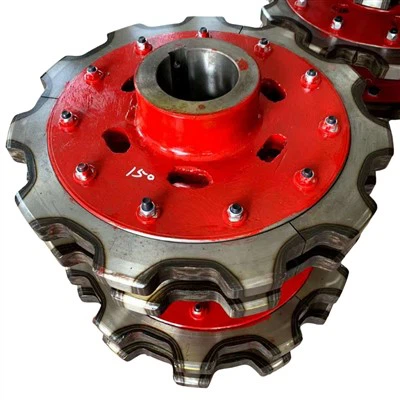
If you’re in the market for products from our special industry chain, I’d love to have a chat with you about how we can work together. Whether you’re looking for high – quality products at a reasonable price or need a reliable supplier, I’m here to help. Let’s start a conversation about your procurement needs and see how we can make a great deal happen.
Scraper Feeder Chain References:
- "Cost Management in Specialized Industries" – Industry Research Report
- "Production Efficiency and Cost Savings" – Journal of Manufacturing Economics
- "Raw Material Market Trends and Strategies" – Supply Chain Magazine
Zhejiang Hangte Chain Transmission Co., Ltd.
We are one of the most experienced special industry chain manufacturers and suppliers in China since 1999. Please rest assured to buy high quality special industry chain made in China here from our factory. If you have any enquiry about cooperation, please feel free to email us.
Address: No. 195 Qinglin East Street, Qingshan Lake Subdistrict, Lin’an District, Hangzhou City, Zhejiang Province
E-mail: hangtechain@gmail.com
WebSite: https://www.chinahtchain.com/
