As a seasoned supplier of flange butterfly valves, I’ve witnessed firsthand how environmental factors can significantly influence the performance and lifespan of these essential components. Flange butterfly valves are widely used in various industries for regulating fluid flow, and understanding the environmental elements that can impact them is crucial for ensuring their optimal operation. In this blog, I’ll delve into the key environmental factors that can affect a flange butterfly valve and offer insights on how to mitigate their negative effects. Flange Butterfly Valve

Temperature
One of the most critical environmental factors that can affect a flange butterfly valve is temperature. Extreme temperatures, whether high or low, can have a profound impact on the valve’s materials and performance.
High Temperatures
When exposed to high temperatures, the materials used in the flange butterfly valve can expand, leading to dimensional changes. This expansion can cause the valve disc to bind or stick within the valve body, resulting in reduced flow control and potentially leading to valve failure. Additionally, high temperatures can degrade the valve’s seals and gaskets, causing leaks and compromising the valve’s integrity.
For example, in industrial processes involving the transportation of hot fluids such as steam or hot oil, the temperature can easily exceed 200°C. At these high temperatures, the elastomeric seals commonly used in flange butterfly valves can start to lose their elasticity, leading to leaks. Moreover, the metal components of the valve can undergo thermal stress, which may result in cracking or deformation over time.
Low Temperatures
Low temperatures can also pose significant challenges to flange butterfly valves. At sub-zero temperatures, the materials can become brittle, increasing the risk of fracture. The valve’s internal components may contract, leading to increased friction between moving parts and potentially causing the valve to jam. Additionally, moisture in the system can freeze, causing ice to form within the valve and obstructing the flow of fluid.
In cold climates or applications where cryogenic fluids are handled, the temperature can drop well below -20°C. Under these conditions, the rubber seals in the valve can lose their flexibility and become prone to cracking. The metal components may also experience reduced ductility, making them more susceptible to damage from impact or stress.
To mitigate the effects of temperature, it’s essential to select flange butterfly valves made from materials that can withstand the expected temperature range. For high-temperature applications, valves with stainless steel or high-alloy materials are recommended, as they have better heat resistance and dimensional stability. For low-temperature applications, valves with special cold-resistant materials such as nickel alloys or low-temperature carbon steel can be used. Additionally, proper insulation and heating systems can be installed to maintain the valve’s temperature within an acceptable range.
Pressure
Another important environmental factor that can affect a flange butterfly valve is pressure. The valve must be able to withstand the pressure exerted by the fluid flowing through it without leaking or failing.
High Pressure
High pressure can cause several issues for flange butterfly valves. The increased force can put stress on the valve’s body, disc, and seals, potentially leading to deformation or rupture. The valve’s seating surface may also be damaged, resulting in leaks and reduced flow control. Additionally, high pressure can cause the valve to open or close more forcefully, increasing the wear and tear on the valve’s internal components.
In applications such as oil and gas pipelines or high-pressure water systems, the pressure can reach several hundred bar. At these high pressures, the valve must be designed and constructed to withstand the forces involved. Valves with thick-walled bodies and reinforced components are typically used to ensure their integrity under high-pressure conditions.
Low Pressure
While high pressure is a common concern, low pressure can also affect the performance of flange butterfly valves. In systems with low pressure, the valve may not close properly, leading to leakage. The valve’s seals may not be able to provide a tight seal, allowing fluid to bypass the valve and reducing the system’s efficiency.
In applications where low-pressure gases or liquids are handled, such as in ventilation systems or small-scale plumbing, the valve must be designed to operate effectively at low pressures. Valves with sensitive sealing mechanisms and low-friction components can help ensure proper closure and prevent leakage.
To ensure the valve can handle the pressure requirements of the application, it’s important to select a valve with an appropriate pressure rating. The pressure rating should be based on the maximum pressure that the valve is expected to encounter during normal operation. Additionally, regular maintenance and inspection of the valve can help detect and address any pressure-related issues before they become serious problems.
Corrosion
Corrosion is a major concern for flange butterfly valves, especially in applications where the valve is exposed to corrosive fluids or environments. Corrosion can damage the valve’s materials, leading to leaks, reduced flow control, and ultimately, valve failure.
Chemical Corrosion
Chemical corrosion occurs when the valve’s materials react with the chemicals present in the fluid or environment. Different chemicals can have varying effects on the valve’s materials, depending on their composition and concentration. For example, acids can dissolve metal components, while alkalis can cause embrittlement and cracking.
In industries such as chemical processing, wastewater treatment, and marine applications, the fluid being transported can be highly corrosive. Valves used in these applications must be made from materials that are resistant to chemical corrosion, such as stainless steel, titanium, or plastic.
Galvanic Corrosion
Galvanic corrosion occurs when two different metals are in contact with each other in the presence of an electrolyte, such as water or a conductive fluid. The more active metal will corrode preferentially, leading to damage to the valve’s components.
In flange butterfly valves, galvanic corrosion can occur between the valve’s metal body and the bolts or other fasteners made from a different metal. To prevent galvanic corrosion, it’s important to use compatible metals or apply protective coatings to the metal surfaces.
Atmospheric Corrosion
Atmospheric corrosion occurs when the valve is exposed to the air and moisture in the environment. This type of corrosion can be accelerated by factors such as pollution, humidity, and temperature.
In outdoor applications or in environments with high humidity, such as coastal areas, the valve’s metal components can rust and corrode over time. To protect the valve from atmospheric corrosion, it can be coated with a protective paint or finish, or a corrosion-resistant material can be used.
To prevent corrosion, it’s essential to select flange butterfly valves made from corrosion-resistant materials. The choice of material will depend on the specific corrosive environment and the chemical properties of the fluid being handled. Additionally, proper maintenance and inspection of the valve can help detect and address any signs of corrosion early on, preventing further damage.
Fluid Properties
The properties of the fluid being transported through the flange butterfly valve can also have a significant impact on its performance. Factors such as viscosity, density, and abrasiveness can all affect the valve’s operation and lifespan.
Viscosity
Viscosity refers to the thickness or resistance to flow of a fluid. High-viscosity fluids, such as heavy oils or slurries, can be more difficult to control and can cause increased wear on the valve’s internal components. The valve may require more force to open and close, and the flow rate may be reduced.
In applications where high-viscosity fluids are handled, valves with larger openings and smoother flow paths are recommended. These valves can help reduce the resistance to flow and minimize the wear on the valve’s components.
Density
Density refers to the mass per unit volume of a fluid. Fluids with different densities can have different flow characteristics, which can affect the valve’s performance. For example, a valve designed for a low-density fluid may not perform well when handling a high-density fluid.
It’s important to select a flange butterfly valve that is appropriate for the density of the fluid being handled. The valve’s size, design, and materials should be chosen to ensure optimal performance and flow control.
Abrasiveness
Abrasive fluids, such as those containing solid particles or suspended solids, can cause significant wear on the valve’s internal components. The particles can scratch and erode the valve’s disc, seat, and body, leading to leaks and reduced flow control.
In applications where abrasive fluids are handled, valves with hard-facing materials or wear-resistant coatings are recommended. These materials can help protect the valve’s components from abrasion and extend the valve’s lifespan.
Environmental Contaminants
In addition to the factors mentioned above, environmental contaminants can also affect the performance of flange butterfly valves. Dust, dirt, and debris can accumulate on the valve’s surfaces, interfering with its operation and causing damage to the seals and gaskets.
Dust and Dirt
Dust and dirt can enter the valve through the inlet or outlet ports and accumulate on the valve’s internal components. This can cause the valve to bind or stick, reducing its ability to open and close properly. Additionally, the dust and dirt can scratch the valve’s surfaces, leading to leaks and reduced flow control.
To prevent dust and dirt from entering the valve, it’s important to install proper filters and screens upstream of the valve. Regular cleaning and maintenance of the valve can also help remove any accumulated debris.
Debris
Large debris, such as sticks, stones, or metal objects, can also damage the valve. If these objects enter the valve, they can cause the valve to jam or break, resulting in a complete failure of the system.
To prevent debris from entering the valve, it’s important to install protective barriers or strainers upstream of the valve. These barriers can help catch large objects and prevent them from reaching the valve.
Conclusion
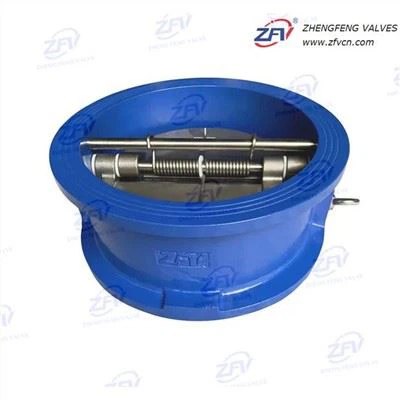
As a flange butterfly valve supplier, I understand the importance of considering environmental factors when selecting and installing these valves. Temperature, pressure, corrosion, fluid properties, and environmental contaminants can all have a significant impact on the valve’s performance and lifespan. By understanding these factors and taking appropriate measures to mitigate their effects, you can ensure that your flange butterfly valves operate effectively and reliably for years to come.
LUG Butterfly Valve If you’re in the market for high-quality flange butterfly valves that can withstand the rigors of your specific application, I invite you to reach out to me. I’m here to help you select the right valve for your needs and provide you with the support and expertise you require. Let’s start a conversation about your project and see how I can assist you in achieving optimal performance and efficiency.
References
- ASME B16.34 – Valves – Flanged, Threaded, and Welding End
- API 609 – Double Flanged, Lug-Type, and Wafer-Type Butterfly Valves
- ASTM Standards related to valve materials (e.g., ASTM A351 for stainless steel casting)
Zhejiang Zhengfeng Valve Co., Ltd.
We’re well-known as one of the leading flange butterfly valve manufacturers and suppliers in China. With abundant experience, we warmly welcome you to buy bulk advanced flange butterfly valve from our factory. If you have any enquiry about cooperation, please feel free to email us.
Address: Hengtong Road, Wuxing Industrial Park, Wenzhou, Zhejiang, China. 325105
E-mail: sales@zfvalve.com
WebSite: https://www.zfvcns.com/
