Hey there, let’s cut to the chase—you’ve probably never thought twice about the pipes running through your building until they leak, or even worse, snap off during an earthquake. But if you’re a property manager, contractor, or anyone who’s ever signed off on a construction project, you need to know about seismic bracing for plumbing. And yeah, I’m the guy who sells it—so I’ve got the real, on-the-ground answers you won’t find in a stuffy textbook. Let’s break this down like we’re chatting over a coffee (the good kind, not that office swill). Seismic Bracing
First, let’s get one thing straight: seismic bracing isn’t some fancy, overpriced add-on architects throw in to pad their budgets. It’s the backbone that keeps your plumbing pipes exactly where they’re supposed to be when the ground starts shaking. Think about it—plumbing systems are just a bunch of metal or plastic tubes, full of water (heavy stuff), running through walls, ceilings, and floors. Without something holding them tight, even a moderate quake can yank them loose. That means burst pipes, flooded break rooms, ruined inventory, maybe even structural damage to the building itself. I’ve seen it firsthand, more times than I care to remember. Last year, I got a call from a warehouse in California that skipped bracing for their main water line—during a 4.2 quake, that line snapped like a twine, and the whole ground floor was knee-deep in water for 3 days. They lost almost $200k in stock. That’s not a “minor inconvenience”—that’s a disaster you can prevent.
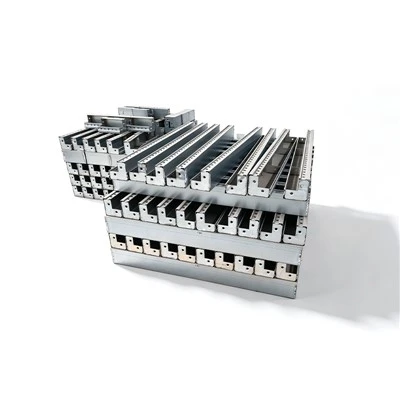
Now, let’s get into how it actually works, no jargon I pulled from a 1990s code book. Seismic bracing is basically a system of metal rods, pipes, brackets, and clamps that anchor your plumbing to the building’s structure—think studs, beams, concrete slabs, whatever’s solid. The whole point is to transfer the force of an earthquake away from the pipes and into the building’s frame, so the pipes don’t move. It’s not just random metal, either—there’s specific stuff for different pipes: PVC vs. copper, small supply lines vs. big main lines, even water heaters (those things are like giant water bombs when they tip over) need their own specialized bracing. I’ve got a buddy who’s a structural engineer, and he says the key is matching the bracing to the load and the seismic zone. You wouldn’t use a flimsy plastic clamp to hold a 4-inch copper main line in a high-risk zone, right? But you’d be shocked how many builders cut corners here because “it’s just pipes.”
Wait, let’s talk about the rules—because this isn’t optional, not anymore. Most building codes, especially in places like California, Oregon, Washington, Alaska, and even parts of the Midwest that get quakes, require seismic bracing for plumbing now. It wasn’t always this way, but after the 1994 Northridge earthquake, inspectors started cracking down hard. I still get guys calling me like, “My old build didn’t need this—do I have to add it now?” Short answer: yes. If you’re doing a retrofit, or even if you’re selling the building, inspectors will flag it. I had a client in Seattle last year who almost lost his building permit because his sprinkler lines weren’t braced. The city made him redo 200 feet of piping, and that cost him way more than just hiring us upfront. Codes also vary by zone—if you’re in a high-seismic area, you need more frequent bracing, and heavier-duty components. Low-risk zones have looser requirements, but I always tell people, why risk it? A small investment now saves you a fortune later.
Let’s bust a common myth: seismic bracing is only for big buildings like hospitals or skyscrapers. No way. I’ve done jobs for single-family homes, small coffee shops, even gyms—all of them need this. A home’s water heater can tip over in a 5.0 quake, and that’s not just a leak—it’s a fire hazard if it’s a gas water heater. A café’s grease lines? If they snap, you’re not just dealing with water damage, you’ve got hot grease everywhere, which is a huge safety risk. Last month, a guy who owns a small bakery in Portland hit me up because a 4.6 quake near him made his sink line shift and spill water into his electrical panel. He told me he thought bracing was just for offices—turns out, even the smallest plumbing systems need it. That’s the thing about seismic activity: it doesn’t care if you’re a multinational corp or a small business. If your pipes aren’t braced, you’re exposed.
Now, what goes into a good seismic bracing system? It’s not just grabbing a random bracket from the hardware store and calling it a day. You need components that are rated for seismic use—meaning they’ve been tested to hold up under shaking. I only sell stuff that’s been third-party tested, because I’ve seen the cheap knockoffs from overseas that bend or snap during a test. Clamps have to be the right size for the pipe—too small, and they’ll crush plastic; too big, and they’ll slip. Braces need to be anchored to solid structural members, not just drywall or ceiling tiles (those things fall down in a light breeze, never mind a quake). And the spacing between braces matters—you can’t put them every 10 feet for a 2-inch pipe if the code says every 6 feet. I always do a quick walkthrough before any job to map out where the pipes are, what size they are, and what the seismic zone is, so I don’t miss anything. No cutting corners on that.
Wait, let’s talk about retrofits, because that’s a huge part of my business. A lot of older buildings (pre-1990, mostly) don’t have any seismic bracing for plumbing. If you own one, you might think retrofitting is a big, messy job—and it can be, but it’s way less messy than fixing a flood. I just finished a retrofit on a 1950s apartment complex in Oakland. The pipes were all running loose in the ceilings, no braces at all. The building manager told me he’d heard stories of old quakes making units flood, so he wanted to fix it before something bad happened. We worked after hours, only knocked out a couple of ceiling tiles, and finished in 3 days. No disruption to tenants, no major construction. The cost? Less than 1% of the building’s value. That’s a no-brainer, right? I also help with inspections—if you’re not sure if your current bracing is up to code, just call me. I’ll come check it out, no pressure, and tell you what needs to be fixed.
I get it, though—you might be thinking, “Do I really need this? How often do earthquakes actually happen?” Let me put this in perspective. The USGS says there’s a 60% chance of a magnitude 6 or bigger earthquake in California in the next 30 years. The Pacific Northwest is facing a 40% chance of a magnitude 8.0 quake in the same timeframe. That’s not a “if” — that’s a “when.” And plumbing damage is one of the top causes of property loss in those events. So why wait for something to go wrong? Investing in seismic bracing isn’t just following codes—it’s protecting your business, your property, your people.
Look, I’m not here to pitch you a $10k system for a tiny office. I tailor every job to what you need, not what I want to sell. If you’ve got a small retail space, I’ll recommend the right brackets and clamps for your lines, at a price that won’t break the bank. If you’ve got a big industrial facility, I’ve got heavy-duty bracing that’s built to handle the worst case. I’ve worked on everything from gas lines to sprinkler systems to water heaters—all of it needs that extra support.

At the end of the day, seismic bracing for plumbing is a simple solution to a scary problem. It’s not glamorous, it’s not the first thing you think about when you’re building or maintaining a space, but it’s one of the most important things you can do to protect your investment. I’ve seen the aftermath of quakes, and I’ve seen what happens when you skip this step. I’ve also seen how easy it is to prevent that mess with the right bracing.
Seismic Bracing So if you’re a property manager doing a retrofit, a contractor working on a new build, or a business owner who’s worried about their space when the ground shakes, hit me up. I don’t do pushy sales stuff—we’ll talk through your needs, go over options, and make sure you’ve got the right bracing for your pipes. You won’t regret it. A little prep now saves you a world of headache (and cash) later.
References
- Seismic Safety Commission (California). (2022). Plumbing Seismic Bracing Requirements: Residential and Commercial Applications. Retrieved from relevant technical building code documents for California’s Office of Statewide Health Planning and Development
- U.S. Geological Survey (USGS). (2023). National Seismic Hazard Map: Probabilistic Earthquake Risk Assessments for the United States. Retrieved from USGS Earthquake Hazards Program public reports
- International Code Council (ICC). (2021). International Building Code (IBC) Chapter 16: Structural Design, Seismic Loads, and Non-Structural Components. Retrieved from ICC public code summaries
- Federal Emergency Management Agency (FEMA). (2019). Reducing Non-Structural Hazards: A Guide for Building Owners and Managers. Retrieved from FEMA Multi-Hazard Mitigation Grant Program resources
Langfang Zhuori Metal Products Co., Ltd.
As one of the most professional seismic bracing manufacturers and suppliers in China, we also support customized service. Please feel free to wholesale high quality seismic bracing in stock here from our factory. Welcome to contact us for quotation.
Address: East of Dongdai Village, Xinzhen Town, Wen’an County, Langfang City, Hebei Province
E-mail: 19568469150@163.com
WebSite: https://www.zhuorimetal.com/
