If you’ve ever walked through a newly built home, touched a piece of foam furniture straight out of a box, or handled an electrical appliance with a flame-resistant casing, you might have noticed a faint, unusual smell. That smell often leads to a common question from customers and partners I work with every day: “Do flame retardants off-gas?” As a supplier with nearly a decade in the flame retardants industry, I get this question so often it’s become one of the first topics I cover in every conversation about our products—because the answer isn’t a simple yes or no, and it’s shaped by the type of flame retardant, the material they’re blended into, and how long the product has been in use. Flame Retardants

Let’s start with basics: what are flame retardants, anyway? They’re chemical additives designed to slow or stop the spread of fire, and they’re used in everything from construction materials (drywall, insulation) to electronics (circuit boards, plastic casings) to textiles (children’s pajamas, furniture upholstery). For decades, the most common type were brominated and chlorinated flame retardants, often called “halogenated” because they contain chlorine or bromine in their molecular structure. These were widely used because they’re cheap and highly effective at suppressing flames. But around the early 2000s, research started raising red flags about these compounds: some can leach or release small amounts of volatile organic compounds (VOCs) over time, and when they do, they can accumulate in indoor air, dust, and even our bodies. That’s where the confusion about “off-gassing” comes in.
Off-gassing, by definition, is the release of gases from solid or liquid materials into the air. For flame retardants, this happens when small molecules of the additive aren’t tightly bound to the material they’re added to. Over time—especially as the material ages, gets exposed to heat or sunlight, or is scratched or rubbed—those unbound molecules can escape. The catch is: not all flame retardants off-gas the same way, or at the same rate.
Take the old halogenated flame retardants, for example. Many of these are “additive” flame retardants, meaning they’re mixed into the material during manufacturing rather than chemically bonded to it. That makes them much more likely to off-gas. A 2021 study from the Indoor Air journal found that new foam mattresses treated with additive brominated flame retardants released 10 to 100 times more VOCs in their first 30 days than mattresses treated with newer, bonded flame retardants. The off-gassing rate drops after a few months, but trace amounts can still be detected in indoor dust years later. That’s why you’ll often hear about “new product smells” associated with older flame retardant types—the intense odor is just a burst of those escaped compounds.
The good news is, the industry has shifted dramatically in the last 15 years away from these additive halogenated flame retardants. Most of our products today are “reactive” flame retardants, which are chemically bonded to the material’s molecular structure during manufacturing. When a flame retardant is reactive, it doesn’t sit on the surface or between material fibers—it becomes part of the material itself. That means it can’t escape easily, because there’s no loose molecule to release. A 2019 report from the European Chemicals Agency (ECHA) confirmed this: reactive flame retardants have off-gassing rates that are 90% lower than additive types, even in newly manufactured products.
But here’s where it gets tricky: even reactive flame retardants aren’t 100% risk-free, and some people still experience concerns about off-gassing. For one, if the product is damaged—say, a plastic electronics casing that cracks after a fall, or a textile that tears during use—the bond between the flame retardant and the material can break, creating small gaps where molecules can escape. That’s not a flaw in the flame retardant itself; it’s a function of how the product is cared for over time. Another factor is temperature. Even bonded flame retardants can start to release trace amounts of gas if the material is exposed to extreme heat. For example, a car dashboard treated with a reactive flame retardant might release small amounts at 140°F (60°C) or higher, which is why you’ll sometimes notice a faint smell in a hot parked car—but that’s a rare, temporary scenario, and the levels are well below regulatory safety limits in most regions.
I’ve seen this confusion play out in conversations with home builders, furniture designers, and even parents worried about products for their kids. A couple of years ago, a custom furniture maker reached out to me because he’d gotten complaints from a client about a new couch smelling “chemical.” It turned out he’d used a foam core treated with an older additive brominated flame retardant, and the client was just noticing the initial off-gassing. We worked with him to source our reactive phosphate-based flame retardants, which are bonded to the foam, and he’s used them for every project since—he told me last year that he hasn’t had a single odor complaint. That’s the kind of problem-solving I get into as a supplier: it’s not just about selling a product, it’s about explaining the science so customers can choose what’s right for their needs.
It’s also important to note that regulatory bodies around the world have set strict limits on flame retardant off-gassing, and not all flame retardants are created equal when it comes to meeting those standards. In the U.S., the Consumer Product Safety Commission (CPSC) has guidelines for VOC emissions in products for children, and the EPA maintains lists of flame retardants that are approved for indoor use because they meet low off-gassing thresholds. In the EU, REACH (Registration, Evaluation, Authorization and Restriction of Chemicals) regulates which flame retardants can be sold, with a focus on reducing harmful emissions. As a supplier, we test every one of our products to make sure they meet these regulations—third-party testing, not just in-house checks—so our customers can have peace of mind.
Another common misconception: people often confuse flame retardant off-gassing with other emissions from new products. A new couch might smell because of the leather dye, the glue used to join parts, or the fabric’s finish—not the flame retardant. I always tell customers: if you’re concerned about off-gassing, ask about the full list of materials in a product, not just the flame retardant. For our part, we’re transparent about the composition of every flame retardant we sell, including the emission rates, so there’s no guesswork.
So, to circle back to the original question: Do flame retardants off-gas? The answer is, it depends. If you’re using older, additive-type flame retardants, especially in a new product, you can expect some initial off-gassing that will fade over time, and trace emissions that can linger. If you’re using modern, reactive flame retardants— the kind we specialize in—the off-gassing is minimal, temporary, and well within safety limits. It’s also worth noting that the alternative to flame retardants is rarely “no risk”: fires in homes and workplaces kill thousands of people every year, and flame retardants are a proven way to reduce fire spread and save lives. The real goal for our industry isn’t to eliminate flame retardants, but to develop products that do their job without unnecessary emissions.
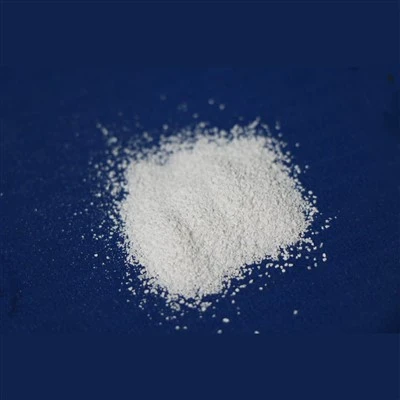
Over the years, I’ve worked with thousands of clients, and the ones who ask about off-gassing are usually the ones who want to make the best choice for their customers and the environment. That’s why we’ve invested so much in reactive, low-emission flame retardants—because we know that people want products that are both safe from fire and safe to be around. If you’re a builder, furniture manufacturer, electronics company, or anyone working with materials that need flame resistance, and you want to learn more about our low off-gassing flame retardants, I’m here to help. We can walk through your specific needs, share test data, and find a solution that works for your product. Feel free to reach out to discuss your project requirements.
Ester Solvents References
- Indoor Air journal. (2021). Volatile organic compound emissions from flame retardant-treated consumer products: A longitudinal study.
- European Chemicals Agency (ECHA). (2019). Reactive vs additive flame retardants: Emission differences and environmental impacts.
- U.S. Consumer Product Safety Commission (CPSC). (2020). Guidelines for VOC emissions in children’s products.
- European Chemicals Agency (ECHA). (2022). REACH regulation: Flame retardant approval criteria for indoor use.
- EPA. (2021). Flame retardant emissions in indoor environments: Sources and mitigation strategies.
Hebei Xinxinyuan Energy Co., Ltd.
Hebei Xinxinyuan Energy Co., Ltd. is one of the most professional flame retardants manufacturers and suppliers in China, featured by quality products and good price. Please rest assured to wholesale customized flame retardants made in China here from our factory.
Address: Zhongjie Industrial Park, Huanghua City, Cangzhou City, Hebei Province, China
E-mail: xxyyxb@zjshjt.com
WebSite: https://www.xinxinyuanfr.com/
