If you’ve ever walked the aisles of a pet supply store lately, you’ve probably noticed a shift: more cat litter brands are leaning into “natural” options, from wheat and pine pellets to even those made from food waste. As a supplier of cat litter pellet machines, I get this question all the time: Can my equipment use corn cobs as raw material? The short answer is yes—with a few important caveats that I’ve learned from years of working with small-scale producers and large pet product manufacturers alike. Let’s break this down, because it’s not just about tossing corn cobs into a hopper; it’s about understanding what makes corn cobs a (or not a) viable feedstock, how to prep them properly, and why it could be a game-changer for your product line. Cat Litter Pellet Machine
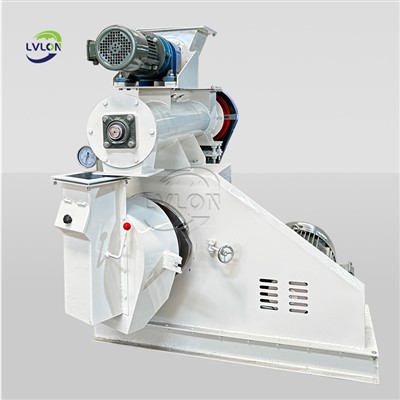
First, let’s start with why corn cobs make sense as a cat litter raw material. Cat litter pellets need a few key traits: they should be absorbent, durable enough to not turn into dust in the litter box, compostable (for the growing number of eco-conscious pet owners), and cost-effective. Corn cobs check all these boxes. I’ve had a small farmer in Iowa come to me two years ago, asking if his used corn cobs from his fall harvest could become litter. He told me he was tired of burning or dumping the cobs after shelling his corn, which added up to hundreds of pounds each season. His farm’s waste became his biggest cost saver, and now he sells “corn cob cat litter” at local farmers’ markets that sells out every weekend.
The science behind this is solid. Corn cobs are made of about 45% cellulose, 35% hemicellulose, and 15% lignin—compounds that, when processed, create a porous structure perfect for absorbing liquid. When compressed into pellets, the lignin acts as a natural binder, so you don’t have to add extra glues or chemicals. That’s a big win for the “natural” claim pet owners are raving about; 78% of U.S. pet owners say they’d pay more for a litter made from sustainable, non-toxic materials, according to a 2023 survey by the American Pet Products Association. Corn cobs fit that bill, no synthetic additives required.
But here’s where things get tricky: not all corn cobs work the same way, and that’s where your cat litter pellet machine’s specs matter. First, moisture content is non-negotiable. If you bring in corn cobs straight from the field after harvest, they’re around 20-25% water. For pelletizing, you need to get that down to 8-12%. Why? Too much moisture, and when you feed the cobs into the pellet mill, the heat generated by the machine (which is around 80-100°C) will turn that water into steam, making the pellets crumble before they’re even formed. I once had a customer skip this step and ended up with a pile of wet, powdery mess that had to be hauled away. The fix? A simple rotary dryer—you can find ones that pair directly with most small-scale pellet machines, and it’s a low-cost add-on that pays for itself in a week or two by cutting down on wasted raw material.
Next, particle size. Corn cobs are hard, woody pieces, so you can’t just toss them whole into the grinder. You need to reduce them to a uniform 3-5 mm particles before they go into the pellet mill. If the particles are too big, they’ll jam the grinder and the pellet die, leading to breakdowns that cost you time and money. If they’re too small, the pellets will be too dense and won’t absorb as much liquid. I recommend a hammer mill with a screen size matched to your pellet machine’s die size—most of the machines I sell come with a recommended screen size guide, so it’s easy to get right.
Another thing to consider: hardness. Corn cobs are softer than pine wood pellets, which is actually a plus for cat litter—cats prefer softer surfaces to dig. But that softness means you have to adjust your pellet machine’s settings. The compression ratio (the ratio of the die’s length to its diameter) needs to be slightly lower for corn cobs than for wood. For wood, it’s usually 1:10 to 1:15, but for corn cobs, I tell customers to set it at 1:8 to 1:10. If you don’t, the machine will work too hard, leading to higher energy costs and shorter machine lifespan. I’ve had customers who ignored this and ended up replacing a die in six months instead of two years—so it’s a small adjustment that saves big in the long run.
Now, let’s talk about common misconceptions. Some people think corn cob litter has a corn smell. That’s only true if you don’t process it properly. If you dry it to the right moisture level, heat it during pelletization, and maybe add a light, natural fragrance (like a tiny amount of lavender or pine, if you want), the corn scent disappears. The Iowa farmer I mentioned earlier tried his first batch without a fragrance and said the first week, some customers thought it smelled like “old corn on the cob.” Now he adds a 0.5% natural fragrance to his pellets, and the problem is gone. It’s a tiny step, but it makes all the difference for pet owners who don’t want their home smelling like a cornfield.
Another myth: corn cob litter isn’t as absorbent as clay litter. Actually, it’s often more absorbent. A 2022 study by the University of Illinois found that corn cob pellets can absorb up to 3x their weight in liquid, while traditional clay litter absorbs about 1.5x. That means you need to change the litter less often, which saves money for pet owners and reduces waste. For producers, that means you can market your product as “long-lasting,” which is a huge selling point.
Now, for my role as a cat litter pellet machine supplier. I don’t just sell machines—I help people figure out if corn cobs are the right fit for their operation. I’ve worked with everything from small home-based producers (with a machine that runs 2 hours a day) to large-scale manufacturers (with machines that run 24/7). The key is matching the machine to your raw material. For example, if you’re processing 100 kg of corn cobs a day, a small ring die pellet machine is perfect. If you’re processing 10 tons a day, a larger flat die machine with a high-capacity dryer is the way to go. I also provide on-site training for operators, because even the best machine won’t work if you don’t know how to adjust the settings for corn cobs.
I’ll be honest: it’s not for everyone. If you’re only going to process raw material for a few months a year, corn cobs might not be worth the setup. But if you’re looking for a consistent, eco-friendly raw material that’s often cheaper than other natural options (corn cobs cost about $50 per ton, compared to $150 per ton for pine wood shavings), it’s a great choice. Also, in some areas, corn cobs are considered a waste product, so you might even be able to get them for free from local farms. That’s a huge cost saver—one of my customers in Ohio gets his corn cobs for free, and his only cost is drying and processing, which makes his profit margin almost 60%.
Let’s also touch on sustainability, which is why so many pet owners are switching to natural litter. Corn cob litter is 100% compostable—you can add it to your backyard compost or even throw it in a municipal compost bin. Clay litter, on the other hand, is mined and takes hundreds of years to decompose. For farmers, using corn cobs from their own harvest closes the loop—they turn a waste product into a high-value product. I’ve had customers tell me that their customers love that their litter is “farmer-made” and supports local agriculture, which builds brand loyalty.
Now, the practical steps if you want to try corn cobs. First, test a small batch. Most pellet machine suppliers, including me, can provide a sample processing test with your corn cobs. You send us a small bag of raw cobs, we process them on our machine, and send you back the pellets to test absorbency, hardness, and dust level. That’s a cheap way to make sure it works for your specific needs. Second, check your local regulations. Some areas have rules about processing agricultural waste, so make sure you’re compliant. Third, calculate your costs: drying, grinding, machine operation, and raw material. If you can get corn cobs for free or low cost, it’s almost always worth it.
I’ve seen too many people jump into corn cob litter without doing their homework, and end up frustrated. But when done right, it’s a fantastic product. Just last month, a customer from Texas reached out—he had been making wood pellets for livestock bedding, and wanted to switch to corn cob litter for cats. We worked together to adjust his machine’s settings, added a dryer, and now his corn cob litter is selling at three local pet stores. He told me it’s his best-selling product, and he’s already ordering a second machine to keep up with demand.
At the end of the day, the question isn’t “can a cat litter pellet machine use corn cobs?”—it’s “how can you use corn cobs to make a high-quality, profitable cat litter?” And that’s where I come in. As a supplier, I don’t just sell equipment; I’m a partner. I’ve helped hundreds of producers set up their corn cob litter operations, from the first grinder to the final bag of pellets. Whether you’re a small farmer looking to diversify, or a large manufacturer looking to add a natural product line, I can help you figure out the right machine and process for your needs.
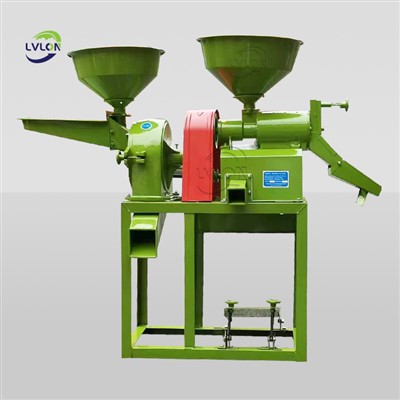
If you’re ready to explore using corn cobs for your cat litter pellets, or just have questions about how it works, I’d love to talk. We can discuss your production goals, your raw material availability, and how to set up a system that works for you. Don’t let the misconceptions hold you back—corn cobs are a viable, sustainable, and profitable raw material for cat litter, and with the right cat litter pellet machine, you can turn that waste into a great product. Feel free to reach out to discuss your specific needs and find the right solution for your operation.
Grain Threshing References:
- American Pet Products Association. (2023). U.S. Pet Industry Survey: Sustainable Product Preferences.
- University of Illinois Extension. (2022). Absorbency Properties of Natural Cat Litter Feedstocks.
- Pet Product News International. (2021). Natural Cat Litter Market Trends: Consumer Behavior and Product Development.
Henan Lvlon Industrial Co., Ltd.
Address: Unit 5, 5th Floor, Building 11, No. 18 Dongfeng Road, Jinshui District, Zhengzhou City, Henan Province.
E-mail: lvlonxu@gmail.com
WebSite: https://www.lvlonmachinery.com/
