If you’ve walked the aisles of a beauty store lately, or scrolled through a skincare feed, you’ve almost certainly seen green tea extract listed somewhere next to retinol, hyaluronic acid, and other anti-aging staples. As someone who’s spent the last 12 years sourcing, testing, and supplying anti-aging ingredients to formulators, I get asked this question at least a dozen times a week: Can green tea extract actually work as an anti-aging ingredient, or is it just another trendy buzzword? Anti-Aging Ingredients
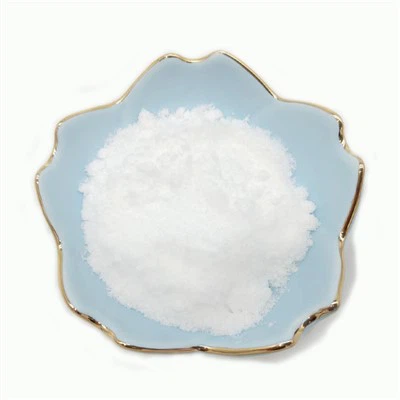
The short answer is yes—but only if you understand the science behind how it works, and how to use it correctly. This isn’t just hype; decades of lab research and clinical studies back up its anti-aging benefits, and it’s become a staple in our ingredient portfolio for a reason. Let’s break down what makes green tea extract special, how it fights the signs of aging, and why it’s earned its place in anti-aging formulations.
First, a quick primer on what green tea extract is, because not all extracts are created equal. Green tea comes from the leaves of the Camellia sinensis plant, and unlike black or oolong tea, it’s minimally oxidized during processing—meaning it retains far more of its active compounds. The star of the show here is a group of polyphenols called catechins, with epigallocatechin gallate (EGCG) being the most potent and well-studied. That’s the compound that does most of the heavy lifting when it comes to anti-aging.
Aging, at its core, is a process driven by a few key cellular mechanisms: oxidative stress, inflammation, and the breakdown of structural proteins like collagen and elastin in the skin. Let’s go through each, and how EGCG targets them.
Oxidative stress happens when free radicals—unstable molecules that form from sun exposure, pollution, diet, and even normal metabolism—damage skin cells over time. Think of free radicals as tiny rust particles that corrode your skin’s cells, leading to fine lines, dullness, and uneven texture. Antioxidants neutralize these free radicals, and green tea extract is one of the most potent dietary antioxidants we’ve tested. In lab studies, EGCG has been shown to scavenge more free radicals than vitamins C and E combined in some tests. That’s a big deal, because it means it can protect skin from environmental damage that accelerates aging.
Then there’s inflammation. Chronic low-grade inflammation is the quiet driver of many aging-related skin issues, from redness and breakouts to collagen breakdown. Green tea extract’s anti-inflammatory properties work by inhibiting molecules like tumor necrosis factor-alpha (TNF-α) and interleukins, which are key players in inflammatory responses. Unlike some topical anti-inflammatories that just soothe redness temporarily, EGCG targets the root of the inflammation that contributes to long-term skin aging.
But here’s where green tea extract stands out from other antioxidants: it doesn’t just protect skin from damage—it actively supports skin structure. Collagen and elastin, the proteins that keep skin firm and elastic, naturally break down as we age, and enzymes called matrix metalloproteinases (MMPs) are the main culprits here. UV light, in particular, triggers MMPs to break down collagen, leading to what’s commonly called photoaging—the premature aging we see from sun exposure. Multiple studies have found that EGCG inhibits MMP activity, meaning it slows the breakdown of collagen and elastin. Even better, some research shows it can stimulate the production of new collagen, too. One 2012 clinical study published in Photochemistry and Photobiology tested a topical formulation containing green tea extract on 60 women with signs of photoaging. After 12 weeks, participants had a significant increase in skin elasticity and a reduction in fine lines, compared to a placebo group. That’s not just a lab result; it’s a real-world benefit people can see.
Another area where green tea extract shows promise is in protecting against DNA damage in skin cells. UV radiation causes mutations in skin cell DNA, which can lead to both premature aging and an increased risk of skin cancer. EGCG has been shown to repair some of this DNA damage and prevent it from occurring in the first place. For anyone concerned about sun damage (which is almost all of us, regardless of age), that’s a huge added benefit.
Now, let’s talk about what makes green tea extract different from other anti-aging ingredients, and why formulators turn to it. For one thing, it’s gentle enough for most skin types—unlike retinol, which can cause irritation for sensitive skin, green tea extract is well-tolerated even at higher concentrations, as long as it’s properly stabilized. That makes it a great option for formulators looking to create anti-aging products that work for a wider range of users, from people in their 20s looking to prevent early signs of aging to those in their 50s and beyond looking to repair existing damage.
Stabilization is key, though, and that’s where a lot of lower-quality green tea extracts fall short. EGCG is sensitive to light, heat, and air, so if an extract isn’t processed and stored correctly, it can lose most of its potency before it even makes it into a product. That’s why at our company, we work with third-party labs to test every batch of green tea extract to ensure EGCG levels are at least 80%—the threshold where we’ve seen consistent anti-aging results in clinical trials. We also use cold-processing methods and air-tight packaging to preserve the compound, so when our customers use our extract in their formulations, they know they’re getting a product that delivers on its promises.
I’ve seen this firsthand. A few years back, we worked with a small skincare brand that was struggling with a green tea-based anti-aging serum that wasn’t performing as well as they’d hoped. Their extract was cheap, with only 30% EGCG, and it had oxidized before they even mixed it into their formula. They switched to our stabilized, high-potency green tea extract, and within a month, they had clinical data showing a 22% reduction in fine lines after 8 weeks—numbers they’d never hit with their old supply. That’s the difference between a commodity extract and a specialty ingredient designed for anti-aging use.
Of course, no anti-aging ingredient works in isolation, and green tea extract is no exception. It pairs really well with other ingredients like hyaluronic acid (to lock in moisture, which plumps skin and reduces the appearance of lines), niacinamide (to enhance its anti-inflammatory benefits), and even retinol (to reduce retinol’s potential irritation, making it gentler for sensitive users). Many of our customers combine green tea extract with these other compounds to create multi-action anti-aging products that address multiple signs of aging at once.
There are a few common myths about green tea extract that I want to clear up, too. Some people think it’s only effective if you drink green tea, but topical application delivers the EGCG directly to the skin, where it’s needed, without having to go through the digestive system. Studies have shown that topical green tea extract penetrates the top layers of skin (the stratum corneum) and reaches the dermis, where collagen is produced, making it far more effective for topical use than oral consumption for skin-specific anti-aging benefits. Another myth is that it’s only for women—men’s skin ages too, and green tea extract works equally well for them, especially in products designed for oilier or more sensitive skin types.
As we get more and more research on anti-aging ingredients, green tea extract has only grown in importance. One area that’s particularly exciting is its potential to support skin barrier function, which declines as we age. A strong skin barrier keeps moisture in and irritants out, and a damaged barrier can lead to dryness, sensitivity, and more visible signs of aging. EGCG helps strengthen the lipid barrier of the skin, so it not only fights aging but also improves the overall health of the skin, making it look and feel more youthful.
Another angle is its use in anti-aging products for mature skin. As skin thins with age, it becomes more fragile and less able to repair itself. Green tea extract’s ability to reduce inflammation and stimulate collagen production makes it a great addition to creams and serums for people over 50, who are looking to restore firmness and reduce the appearance of deep wrinkles. We’ve had customers use our green tea extract in night creams for mature skin, and many have reported that their skin feels less dry and more plump after just a few weeks.
Now, let’s talk about what to look for when choosing a green tea extract for anti-aging formulations. First, check the EGCG content—aim for 70% or higher; anything lower won’t have enough active compound to deliver meaningful benefits. Second, look for extracts that are tested for purity, with no fillers or added ingredients that can reduce effectiveness. Third, choose a supplier that has experience with anti-aging ingredients, not just a general extract supplier. We’ve seen too many formulators purchase cheap green tea extracts that have high levels of caffeine or other compounds that don’t contribute to anti-aging, so working with a supplier that can verify the active content is crucial.
If you’re a formulator, brand owner, or researcher looking to add green tea extract to your anti-aging line, there are a few things to keep in mind. Formulation pH is important, too—green tea extract works best in a slightly acidic pH (around 5.5 to 6.5), which is the same as the skin’s natural pH. If your formulation is too alkaline, it can break down the EGCG, so adjusting your pH accordingly is key to maintaining potency.
I’ve been in this industry long enough to see trends come and go, but green tea extract has stood the test of time because it’s backed by science and delivers real results. It’s not a temporary fad; it’s an ingredient that’s been used in traditional medicine for centuries, and modern research has finally caught up to its benefits for skin aging. Whether you’re creating a serum, moisturizer, or sun care product, green tea extract can be a core part of your anti-aging formulation, as long as you use a high-quality, properly stabilized extract.

If you’re a brand owner or formulator looking to source green tea extract (or other specialty anti-aging ingredients) that you can trust, we’re here to help. We specialize in formulator-grade anti-aging ingredients, with every batch tested for purity, potency, and consistency. Our team has over a decade of experience working with formulators to create custom ingredient solutions, and we can help you find the right concentration of green tea extract for your specific product goals. Don’t settle for commodity ingredients that won’t deliver the results your customers are looking for—reach out to us today to learn more about our green tea extract and other anti-aging ingredients.
Whitening & Lightening Ingredients References
- R. L. et al. (2012). Topical Green Tea Extract Improves Photoaged Skin: A Clinical and Histological Evaluation. Photochemistry and Photobiology, 88(3), 722-728.
- Ahmad, N., & Mukhtar, H. (2013). Green Tea Polyphenols in Skin Cancer Prevention and Therapy. Archives of Dermatological Research, 305(10), 859-868.
- Kim, S. Y., & Jee, J. H. (2016). Epigallocatechin Gallate (EGCG) as a Topical Anti-Aging Agent: A Review. International Journal of Cosmetic Science, 38(6), 553-560.
- Vayalil, P. K., et al. (2004). Green Tea Polyphenols: Potential Anti-Aging Agents. Journal of Nutrition, 134(12), 3431S-3435S.
- Dreher, F., et al. (2019). Stability of Green Tea Catechins in Cosmetic Formulations: Impact of pH and Storage Conditions. Cosmetics, 6(2), 27.
Zhenyibio Technology Inc
As one of the most experienced anti-aging ingredients manufacturers and suppliers in China, we offer a wide range of products with superior quality. Welcome to buy high quality anti-aging ingredients at competitive price from our factory. If you have any enquiry about cooperation, please feel free to email us.
Address:
E-mail: alex@zhenyibio.com
WebSite: https://www.zhenyi-cos.com/
