Hey there, if you’re an office manager, facilities lead, or maybe even a small business owner gearing up to refresh your reception space, you already know the good stuff—like that sleek modular reception desk, those plush guest chairs, or the sleek storage credenza that ties everything together. But once you’ve picked out the furniture from us, the last thing you want is to deal with a move that leaves dents in your new pieces, missed deadlines, or extra fees for mishandling. As an office reception furniture supplier, I’ve seen it all—from a custom marble reception top cracking because someone dragged it too fast to stackable guest chairs getting scuffed when they weren’t wrapped right. Today, I’m breaking down how to transport reception furniture like a pro, no fancy moving degree required, just solid tips we’ve picked up from helping hundreds of clients get their new pieces safe to their doors. Office Reception Furniture
First off, let’s get one thing straight: reception furniture isn’t the same as your old desk chair or a random bookshelf. It’s the first thing clients, partners, and job candidates see when they walk in the door. Scuffs, scratches, or wobbly parts don’t just look bad—they send a message that your team doesn’t care about details, right? So the transport step is non-negotiable. Let’s start with pre-transport prep, because this is where most people mess up before they even load a truck.
Before you even schedule a move, do a full inventory and disassembly check. Wait, don’t panic—this isn’t taking apart a IKEA shelf that’ll leave you with 17 extra screws. Most modern reception furniture is designed to be easily disassembled for transport, but you’ve got to document everything. Grab your phone and take photos of each piece before you touch it: how the bolts are aligned, where the side panels attach to the desk top, even the little plastic caps on the bottom of guest chairs. Why? Because when you’re at the other end, it’s way less stressful to put it back together if you don’t have to guess which bolt goes where. Also, label every part—use small stickers or even a sharpie (on unobtrusive spots, obviously) like “Desk Top Left” or “Guest Chair Hardware Bag 1”. We always include the hardware kit with every order, but things can get mixed up if you’re moving multiple pieces, so labeling saves so much time.
Next, choose the right packaging. This isn’t just wrapping stuff in newspaper like you did when you were moving your college dorm. Reception furniture has fragile parts, especially if you’ve got glass, marble, or laminate tops, or upholstered guest chairs. If you’re handling the transport yourself, invest in high-quality moving blankets (not the thin, ones that tear after one use)—they’re thick, they protect against scratches, and you can reuse them later. For glass or marble tops, get rigid foam corner protectors—those are game changers. They cushion the sharp edges and keep them from cracking if something bumps into them. Then, secure the blankets with stretch wrap, not regular packing tape—tape can leave sticky residue on the finish of your furniture, which is a nightmare to clean off later.
Wait, what about upholstered pieces? A lot of reception spaces have fabric guest chairs or even a small sofa for waiting areas. Don’t just throw those in the back of a truck! Use furniture covers—they’re breathable, so they don’t trap moisture and cause mold, and they keep dust and dirt off during transport. If you don’t have covers, old bed sheets work in a pinch, but just make sure they’re clean. Avoid plastic, because that can make fabric get sweaty and develop odors, which you don’t want when your new chairs arrive looking fresh.
Now, if you’re hiring movers, here’s the biggest tip we give our clients: don’t just pick the cheapest moving company. Look for one that specializes in office furniture or residential furniture that’s delicate. Regular moving crews might not know how to lift a heavy reception desk without damaging the frame, or how to stack upholstered chairs so they don’t get squished. When you call movers, ask them specific questions: “Do you have experience moving glass-topped reception desks?” “Do you use stretch wrap and moving blankets for furniture?” “Can they provide references from other small businesses or office managers?” We’ve had clients go with the cheap movers who scratched their $2,000 reception desk top, and it cost them way more to repair than if they’d paid a few extra bucks for a reputable crew. Also, get everything in writing—cost, arrival time, what they’re responsible for if something gets damaged. It’s worth the peace of mind.
If you’re planning to transport the furniture yourself, let’s talk about lifting and loading. Reception furniture pieces are heavier than they look. A standard 6ft wooden reception desk can weigh 150-200 pounds, and a glass top can add another 50. Never try to lift a heavy piece alone—even if you think you’re strong, you can injure your back, and you’re more likely to drop or damage the furniture. Use the buddy system, or get a moving dolly—they’re cheap to rent, and they make moving heavy pieces way easier. When lifting, bend at your knees, not your back, and keep the piece close to your body. That’s basic, but you’d be shocked how many people forget that and end up with a sore back (and a broken piece of furniture).
When loading the truck, you’ve got to be strategic about how you stack everything. The rule is: heavy, sturdy pieces go on the bottom, fragile pieces go on top. So for example, if you’ve got a solid wood credenza, that goes on the floor of the truck, then you can stack lighter pieces like stackable guest chairs on top of it. Fragile glass or marble tops should never have anything heavy on them, obviously. Also, make sure everything is secured so it doesn’t shift during the drive. Use straps or more stretch wrap to hold pieces in place—you don’t want to arrive at your office and find your reception desk slid into a wall, leaving a huge dent. If you’ve got disassembled parts, put them in a clearly labeled box, and keep that box with you in the cab of the truck, not the back of the truck where it can get lost under a pile of furniture. Trust me, digging through a pile of wrapped furniture to find your screw bag is not fun, especially when you’re on a tight timeline to get your office ready.
Wait, what about tricky pieces? I’m talking about L-shaped reception desks, curved reception tops, or custom pieces like a built-in storage unit. These are the ones that get damaged the most because people try to maneuver them through doorways wrong. Before you load a curved desk, measure the doorway, elevator, and even the hallways in your office where you’ll be bringing it. If the curve is too big to fit through, you might need to adjust how it’s disassembled—most custom pieces can be taken apart at the joints, not just the hardware, which makes them easier to move. Also, for curved or angular pieces, use extra padding on the sharp edges, because those are the spots that get scuffed when they hit walls. We once had a client with a custom walnut curved reception desk that was too big for their office elevator, so we worked with them to take it apart at the hidden joints, and we sent a small team to reassemble it on site—no damage, no hassle, and they were thrilled.
Another thing to keep in mind: timing and weather. If you’re moving furniture in the middle of a rainstorm, even if it’s wrapped, water can seep in and damage the finish or upholstery. If possible, schedule your move for a dry day, or at least have plastic sheeting on hand to cover pieces while you load and unload. Also, don’t schedule a move during rush hour if you’re in a big city—delays mean your furniture could be sitting in a hot truck for hours, which can warp laminate or make upholstered fabric get too hot. We always advise our clients to plan the move for a weekday, early in the morning, so you don’t have to deal with traffic and get your new furniture set up by the end of the day.
Now, what about if you’re storing the furniture temporarily before setting it up? A lot of clients have office renovations that take a few weeks, so they need to store their new reception furniture. If that’s you, make sure the storage space is climate-controlled—extreme heat or cold can damage wood and upholstery. Also, don’t wrap furniture in plastic long-term, because that traps moisture. Use moving blankets and stretch wrap, and leave a small gap for air circulation. If you’re stacking pieces, don’t put heavy ones on top of fragile ones, same as loading a truck.
Wait, let’s talk about what to do if something does get damaged during transport. I hate bringing this up, but it happens. The key here is to act fast. First, document the damage right away—take photos of every scratch, dent, or broken part, before you even unpack everything. If you hired movers, check their insurance policy to see what they cover. If you bought your furniture from us, let us know as soon as possible—we work with clients to get replacement parts or repair pieces quickly, so you don’t have to wait weeks to get your reception space ready. Most small damages, like a small scratch on a wooden desk, can be fixed with a touch-up pen, which we can send you for free, no hassle. Big damages, like a cracked glass top, we can help you replace the part without needing to order an entirely new desk, which saves you time and money.
Here’s a little pro tip from us that most people don’t think about: when your furniture arrives, do a quick check before the movers leave. Make sure all the pieces are there, the hardware kit is complete, and nothing is damaged. If you wait until the movers are gone, it’s way harder to file a claim or get help fixing things. We always encourage our clients to take 10 minutes to do a walkthrough right after delivery, it’s way worth it.
Now, let’s wrap this up. Transporting office reception furniture doesn’t have to be a stressful nightmare. The key steps are: prep early by labeling parts and documenting everything, use the right packaging for different types of pieces, choose a reputable mover if you’re not doing it yourself, load strategically with heavy pieces on the bottom and fragile ones on top, plan for weather and timing, and act fast if something goes wrong. As an office reception furniture supplier, we see first-hand how a smooth transport makes the whole office refresh process way easier, so we always share these tips with our clients before their order ships.

If you’re gearing up to order new reception furniture for your office, or you need help with a transport plan for a custom piece, we’re here to help. We know how important your reception space is—it’s the first impression you make on everyone who walks through your doors, so we make sure every step, including transport, is as smooth as possible. Reach out to us to chat about your needs, whether you’re a small startup with a tight budget or a big corporation refreshing multiple locations, we’ve got you covered.
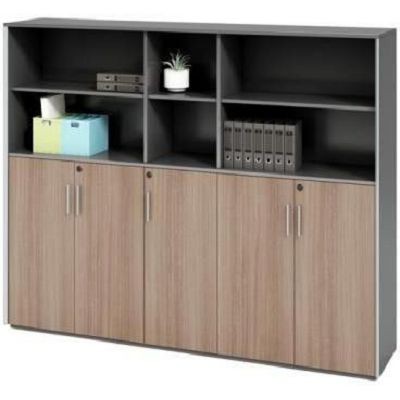
Bookcases References:
- Occupational Safety and Health Administration. (2022). Manual Lifting and Moving Safety Guidelines. U.S. Department of Labor.
- National Furniture Movers Association. (2023). Best Practices for Delicate Office Furniture Transport. NFMA Standards & Practices.
- Interior Design Society. (2021). Care and Handling of Upholstered Office Furniture. IDS Resource Library.
- American Society of Interior Designers. (2022. Furniture Installation and Transport Best Practices. ASID Professional Guidelines.
Zhejiang Runcell Science and Innovation Furniture Manufacturing Co., Ltd.
We’re known as one of the most reliable office reception furniture manufacturers and suppliers in China. We warmly welcome you to buy customized office reception furniture made in China here from our factory. If you have any enquiry about quotation, please feel free to email us.
Address: Nanxun District, Huzhou City, Zhejiang Province
E-mail: Runcellwm@163.com
WebSite: https://www.cnruncell.com/
