Hey there! I’m an AED supplier, and I get asked a lot about the storage requirements for AED pads. It’s a crucial topic because proper storage ensures that your AED pads are in tip – top condition when they’re needed most. So, let’s dive right in and explore what you need to know. AED

Temperature Considerations
First off, temperature plays a huge role in storing AED pads. Most AED pads are designed to be stored within a specific temperature range. Generally, this range is between 5°C and 40°C (41°F and 104°F). Why is this so important? Well, extreme temperatures can mess with the adhesive and the conductive gel on the pads.
If it’s too cold, the gel can thicken or even freeze. When that happens, the pads won’t adhere properly to the patient’s skin, and the electrical current might not transfer effectively. On the flip side, if it’s too hot, the adhesive can break down, and the pads may start to curl or become sticky in an unwanted way. This can also affect the shelf life of the pads.
For example, I once had a customer who stored their AED in a shed during the hot summer months. When they had an emergency, the pads were all curled up and wouldn’t stick to the patient. Luckily, the situation ended okay, but it could have been a lot worse. So, make sure to keep your AED and its pads in a place with a stable temperature, like an office, a well – ventilated storage closet, or a dedicated AED cabinet indoors.
Humidity Levels
Humidity is another factor that you can’t ignore. High humidity can cause moisture to build up on the pads. This moisture can lead to the growth of mold and mildew, which is not only gross but can also damage the pads. The adhesive can lose its stickiness, and the electrical components can corrode over time.
Ideally, you want to keep the humidity level around 10% – 93% non – condensing. That means you should avoid storing the AED pads in places like basements that are prone to flooding or areas near swimming pools. If you live in a particularly humid climate, you might want to use a dehumidifier in the storage area. I’ve seen cases where high humidity has rendered AED pads useless, so it’s really worth taking this into account.
Light Exposure
The amount of light the AED pads are exposed to also matters. Prolonged exposure to direct sunlight or harsh artificial light can degrade the materials on the pads. The UV rays in sunlight can break down the polymers in the adhesive and the gel, reducing their effectiveness.
So, store your AED pads in a dark place. If you’re using an AED cabinet, make sure it’s opaque or has a cover that blocks out light. This simple step can go a long way in preserving the quality of the pads.
Packaging Integrity
The packaging of the AED pads is there for a reason, and you need to keep it in good condition. The packaging is designed to protect the pads from environmental factors like dust, dirt, and moisture. If the packaging is damaged, it’s like leaving the pads exposed to the elements.
Check the packaging regularly to make sure there are no tears, holes, or signs of damage. If you notice any issues, it’s best to replace the pads. I’ve had customers who thought they could just keep using damaged – packaged pads, but it’s a risky move that could compromise the performance of the AED in an emergency.
Storage Location
Where you actually store the AED and its pads is also important. It should be in an easily accessible location. In a public building, it should be clearly marked and within reach in case of an emergency. But at the same time, it should also be a safe place.
Avoid storing the AED near heavy machinery or in areas where it could be knocked over or damaged. For example, don’t put it in a hallway where people are constantly moving equipment around. A dedicated AED cabinet on a wall is a great option as it keeps the AED visible and protected.
Shelf Life
AED pads have a shelf life, and it’s important to keep track of it. Most pads are good for about 2 – 5 years, depending on the manufacturer. You can usually find the expiration date on the packaging.
Once the pads reach their expiration date, they should be replaced. Using expired pads is not a good idea because the adhesive and the gel may not work as they should. I always recommend setting up a reminder system, like a calendar alert, to make sure you don’t forget to replace the pads on time.
Handling During Storage
How you handle the AED pads during storage also affects their quality. Don’t stack heavy objects on top of the AED or the pad packaging. This can damage the pads and their packaging. Also, when you’re moving the AED, be gentle. Rough handling can cause the pads to shift or get damaged inside the packaging.
Compatibility
It’s crucial to store the right pads with the right AED. Different AED models require specific types of pads. Using the wrong pads can not only lead to ineffective treatment but can also damage the AED.
When you’re restocking your pads, make sure you get the ones that are compatible with your AED model. I’ve seen cases where people bought the wrong pads, and it caused a lot of stress during an emergency. So, double – check the compatibility before making a purchase.
Regular Inspections
Regular inspections are a must. You should check the AED and its pads at least once a month. Look for any signs of damage, such as cracks in the packaging, changes in the appearance of the pads (like discoloration or a change in texture), or any issues with the adhesive.
If you notice anything unusual, it’s best to contact a professional or the manufacturer for advice. Sometimes, a small issue can be fixed easily, but if you ignore it, it can turn into a big problem.
Conclusion
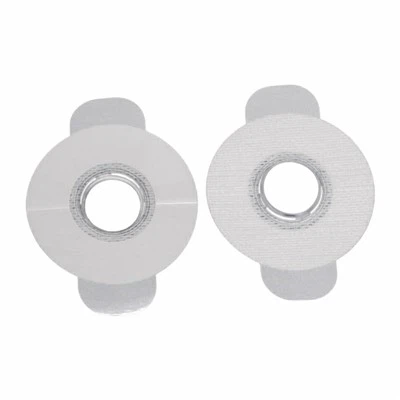
So, there you have it! The storage requirements for AED pads are pretty straightforward once you know what to look out for. By paying attention to temperature, humidity, light exposure, packaging integrity, storage location, shelf life, handling, compatibility, and regular inspections, you can ensure that your AED pads are always ready to use in an emergency.
Medical Silicone Gel Adhesive If you’re in the market for AED pads or have any questions about storage or compatibility, don’t hesitate to reach out. I’m here to help you make sure you have the best – quality AED pads and that they’re stored properly. Whether you’re a business owner looking to stock up on AED supplies for your workplace or an individual interested in having an AED at home, I can provide the right solutions for you. Let’s have a chat about your AED needs, and we can work together to keep your loved ones and colleagues safe.
References
- American Heart Association guidelines on AED maintenance
- Manufacturer’s instructions for various AED models and their pads
Shenzhen Omori Biological Technology Co., Ltd.
We’re well-known as one of the leading AED manufacturers and suppliers in China. We warmly welcome you to wholesale high quality AED made in China here from our factory. If you have any enquiry about customized service, please feel free to email us.
Address: Floor4, No43, Langkou Industrial park, Dalang Street, Longhua District, Shenzhen City, Guangdong Province, China
E-mail: wya@omorimed.com
WebSite: https://www.omorimed.com/
