If you’ve ever wandered a retail aisle and grabbed a snack, a gadget accessory, or a beauty sample off a PDQ (Pretty Darn Quick) display, you’ve probably never stopped to think about how much its packaging weighs. As a PDQ packaging supplier with over a decade in the game, I field this question all the time: Are PDQ packaging boxes lightweight? The short answer is yes—but that’s not the full story. Lightweighting PDQ isn’t just about trimming ounces; it’s a balance of performance, cost, and sustainability that’s shaped every part of how we design and build these displays for brands and retailers. Let me break it down like I would for a new client walking through our warehouse, no jargon, just real-world experience. PDQ Packaging

First, let’s get clear on what a PDQ is, because there’s a lot of confusion out there. Unlike a standard shipping box, which is built to stack in a backroom or hold goods through a cross-country truck ride, a PDQ is a point-of-purchase display. It’s designed to sit on store shelves, usually at eye level or end caps, hold 20 to 50 individual items, and be set up in seconds—no tools, no extra assembly. The core of a PDQ is corrugated fiberboard, and that’s where most of the weight talk happens. For years, people assumed corrugated was flimsy, so PDQs had to be thick and heavy to hold anything. But over the last 15 years, materials science has changed that.
Let’s talk about actual weight numbers, because that’s what most people care about. A standard 12x12x18 inch PDQ, which is a common size for small consumer goods like lip balms or energy bars, weighs between 1.2 and 1.8 pounds today. Fifteen years ago, that same size would have weighed 2.5 to 3.2 pounds. That’s almost a 50% reduction. How did we do that? We didn’t just use thinner cardboard—we upgraded the entire structure. The face of the box (the linerboard) used to be a heavy-duty 42-pound test liner; now we use a 26-pound test liner with a higher burst strength. The fluted inner layer, the corrugated medium that gives the box its stiffness, was once 39-pound test; now we use a 29-pound medium with a higher fiber density per square foot. The key here is that the new materials use long-staple recycled fibers, not the shorter, more broken-down fibers that were common in cheaper corrugated 20 years ago. Those long fibers bond tighter, so a thinner layer can hold more weight.
But weight isn’t the only performance factor. A PDQ also has to survive a lot of handling. It gets stacked in a warehouse on pallets, dragged onto a shelf by a stocker, and even jostled by customers grabbing products. A lightweight PDQ that collapses when you pick it up is useless. So we test every design to make sure it passes what’s called a “drop test”: we drop it from 3 feet onto concrete, shake it for 10 minutes to simulate truck vibration, and stack 50 pounds of weight on top of it for 24 hours. Our latest lightweight PDQs pass all those tests and hold up just as well as the old heavy ones—sometimes even better, because we’re not wasting material on excess layers that don’t add any strength.
Another big driver of lightweight PDQ design is sustainability, which is something every brand is asking for now. For retailers, lighter PDQs mean lower shipping costs per display. If a pallet of heavy PDQs can hold 100 displays, a pallet of lightweight ones can hold 180—so you save on fuel, and less space in stores means easier stocking. For consumers, lighter packaging means less waste when the PDQ is empty, and brands get to hit their carbon reduction targets. I had a client last year, a major snack brand, that switched to our lightweight PDQs and cut their packaging-related carbon emissions by 22% in one year. That’s not a marketing stat—That’s data from our materials team.
But lightweighting isn’t one-size-fits-all. Some PDQs need to hold heavier items. If a PDQ is for power tools or a case of wine, we can’t use the same thin materials as we do for lip balm displays. In those cases, we still use lightweight design, but we adjust the structure: we add reinforcing ribs along the bottom, use a double-wall corrugated for extra strength only where it’s needed, and cut out unnecessary material from the sides. The result? A heavy-duty PDQ for 50-pound items that weighs 3 pounds, compared to a traditional heavy-duty PDQ of the same size that weighs 5 pounds. Even for high-weight applications, we’re still cutting 40% of the weight without sacrificing performance.
I get asked all the time: isn’t going lightweight just cutting corners? Let me tell you a story. A few years back, a startup brand came to us with a bad experience. They bought cheap heavy PDQs from a supplier overseas; each box weighed 3 pounds, they cost $0.75 each, but 15% of them collapsed on the shelf in the first week. They switched to our lightweight PDQs, which weighed 1.5 pounds each, cost $0.95, and only 1% failed. That’s a better value: they saved money on shipping, less waste from damaged displays, and they got better performance. The startup tripled their sales that year because their displays stayed up, so customers could find their products.
What about common myths? Some people say lightweight PDQs are not as eco-friendly because they use more processed materials. Wait, that’s backwards. Let’s do the math: a 1.5-pound PDQ uses 2 square feet of corrugated board, while a 3-pound PDQ uses 4 square feet. So less material = less paper from forests, less energy to process, less waste in landfills. The only time heavier is better is if it lasts longer, but lightweight PDQs last just as long. Another myth: lighter PDQs are more expensive. As that startup example shows, they’re often cheaper overall when you factor in shipping, waste, and display performance.
As a supplier, we work with our clients to balance their needs. A new brand on a tight budget might prioritize lower upfront cost, so we can offer a lightweight design with slightly lower test liner, that still works for light items. A national retail chain might need displays that last 6 months, so we design a lightweight double-wall PDQ that holds up to long-term shelf use. We don’t sell one-size-fits-all PDQs; we customize the weight, structure, and materials for every product.
Now, if you’re a brand owner or retail manager, here’s what you should ask when evaluating PDQ suppliers: What’s the actual weight per display? What’s the maximum weight they test it to hold? What’s your failure rate rate in real stores? Any good supplier will have test data, and will work with you to adjust the design. If you’re currently using heavy PDQs, switching to lightweight ones can save you thousands of dollars a year in shipping costs, reduce waste, and make your displays more visible and stable on store shelves.
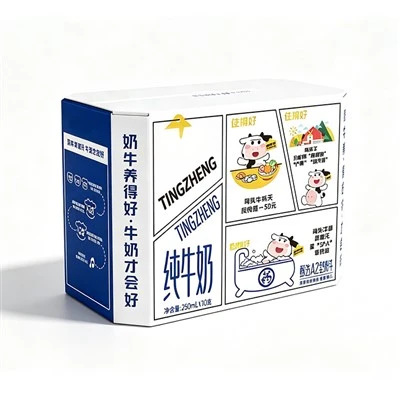
If you’re ready to learn more about lightweight PDQ packaging for your products, or want to see our latest designs, feel free to reach out for a no-obligation consultation. We’ll walk through your product, your shelf requirements, and help you find a PDQ that’s lightweight, durable, and tailored to your needs.
Clusters References
- Corrugated Packaging Association. (2022). Lightweight Corrugated: Design Principles and Performance Standards.
- Sustainable Packaging Coalition. (2021). Life Cycle Assessment of Lightweight Point-of-Purchase Displays.
- Journal of Packaging Technology and Science. (2020). Structural Optimization of Corrugated PDQ Displays for Weight Reduction.
- Retail Industry Leaders Association. (2023). Point-of-Purchase Packaging Efficiency Report.
Hangzhou Tingzheng Packaging Co., Ltd.
Hangzhou Tingzheng Packaging Co., Ltd. is one of the most professional pdq packaging manufacturers and suppliers in China, featured by quality products and good service. Please rest assured to buy bulk pdq packaging made in China here from our factory. We also accept customized orders.
Address: 3rd Floor, Building D, The Mixc, Minhang District, Shanghai, China
E-mail: dzyygg@thpmg.com.cn
WebSite: https://www.tingzhengpackaging.com/
