When you’re designing a piping system for high-temperature, high-pressure industrial operations—think refinery heaters, chemical processing reactors, or power plant boiler feed lines—the valves you choose aren’t just components, they’re the backbone of safe, reliable flow control. A few years back, I was working with a client at a mid-sized Gulf Coast refinery who’d run into a recurring headache: their old bonnet extension globe valves kept leaking steam and process gases at the bonnet flange. Every shutdown for a bonnet gasket replacement ate up 12 to 16 hours of production time, costing them upwards of $150,000 a pop. That experience drove home a truth I’ve carried with me ever since: not all globe valves are created equal, and choosing the right design can make or break your bottom line. Today, we’re breaking down two of the most common options for extreme service applications: pressure seal globe valves and bonnet extension globe valves. As a supplier specializing in pressure seal designs, I’m biased, but I’ll walk through the science, use cases, and real-world tradeoffs so you can decide what works best for your operation. Pressure Seal Globe Valves
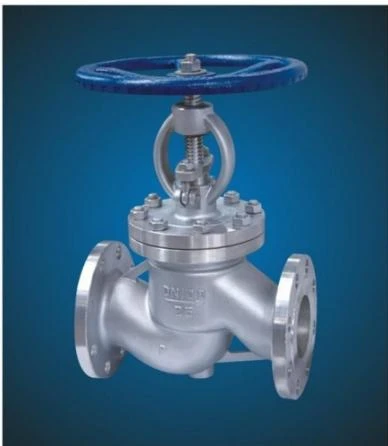
First, let’s ground ourselves in how globe valves work generally, to set the stage. Globe valves get their name from their round, globular body, and their core function is to regulate flow via a movable disk that presses against a stationary seat. The bonnet is the closure at the top of the valve body, housing the stem and packing that keeps process fluid from escaping up the stem. For high-pressure (Class 600 and above) and high-temperature services (300°F and up), the design of that bonnet is non-negotiable. That’s where the two designs diverge sharply.
Let’s start with bonnet extension globe valves, the more traditional option many maintenance teams are familiar with. A bonnet extension valve’s bonnet is bolted directly to the valve body, with a long tube that extends the valve’s working part above the pipeline. Why extend the bonnet? The primary goal here is thermal isolation. In processes where the fluid flowing through the valve is far hotter or colder than the surrounding ambient temperature, a standard bonnet would cause two problems. First, extreme temperature swings can warp the valve body and bonnet, warping the flange face and creating gaps where gaskets blow out or leak. Second, if the process fluid is so hot it would degrade the packing material (the flexible seals around the stem that prevent leaks), extending the bonnet pulls the packing far enough away from the hot line that it stays within a manageable temperature range.
But here’s the catch with bonnet extension designs: that bolted flange connection is a single point of failure for many high-pressure applications. The bonnet flange is a flat, machined surface that’s bolted tight to the body flange. As pressure inside the valve rises, the internal fluid pressure pushes outward against the bonnet. For Class 600 valves, that force is enormous—think thousands of pounds of pressure. The bolts securing the flange have to be torqued to specification to hold back that force, but over time, thermal cycling (heating and cooling) causes bolts to loosen, gaskets to compress unevenly, and leakage to develop. For our Gulf Coast refinery client, that’s exactly what happened. Their bonnet extension valves were rated for Class 900, but the bolted flange couldn’t compensate for the 500°F steam and 1,200 psi of pressure inside. Every three to four months, they’d get a small leak at the bonnet flange, which would force a shutdown to replace the gasket and retorque bolts.
Now, let’s turn to pressure seal globe valves, the design we specialize in at our company. The core difference here is how the bonnet seals to the body. Instead of a bolted flange, pressure seal valves use the process fluid itself to create a tight, leak-proof seal. The bonnet is a tapered cylinder that fits snugly into a matching taper at the top of the valve body. When the valve is under operation, internal pressure pushes upward against the underside of the bonnet, wedging it tighter into the body’s taper. The higher the pressure, the tighter the seal becomes—no bolt torque required, no gasket failure from uneven compression. That’s a game-changer for high-pressure, high-temperature service.
Beyond the seal mechanism, pressure seal globe valves come with built-in advantages that solve many of the pain points of bonnet extension designs. Let’s break these down by the key challenges operators face: thermal isolation, leak resistance, maintenance, and cost.
First, thermal management. Bonnet extension valves rely on a long, empty tube between the body and the packing to keep temperatures low. That’s a passive solution, but it’s not perfect. If you’re running at 1,500°F, even a 2-foot extension might not keep the packing cool enough, especially if the process has high heat transfer. Pressure seal valves, on the other hand, can be paired with a separate extension bonnet if needed, but the pressure seal core means the seal itself doesn’t depend on the temperature of the gasket or flange. The seal is active—it’s created by the process fluid, not by the physical tension of bolts or gaskets. For low-temperature cryogenic services, the same logic applies: the pressure seal doesn’t rely on a flange that could crack from cold contraction, making the design far more reliable for both hot and cold extremes.
Next, leak resistance. This is where pressure seal valves shine in real-world operations. A 2022 study by the International Association of Oil & Gas Producers (IOGP) found that pressure seal globe valves had 70% fewer bonnet-related leaks than bolted-bonnet designs in Class 900 and above applications over a three-year period. That’s not just a number—it translates to less unplanned downtime, lower maintenance costs, and better compliance with EPA leak regulations. The refinery client I mentioned earlier switched to pressure seal valves three years ago, and in that time, they’ve had zero bonnet flange leaks. Their shutdown time for valve-related issues dropped from an average of 1.2 days a year to just 4 hours, saving them well over $1 million in lost production in that period.
But pressure seal valves aren’t one-size-fits-all. They do have tradeoffs, which is why bonnet extension designs still have a place in certain operations. For low-pressure, low-temperature applications (Class 150 to Class 300), the bolted bonnet of a bonnet extension valve is perfectly adequate. The seal force needed is small enough that bolted flanges hold tight, and the thermal isolation is sufficient. Also, pressure seal valves require more precise machining— that taper between the bonnet and body has to be within a few thousandths of an inch to form a proper seal. That makes them more expensive upfront than a standard bonnet extension valve for low-pressure use. There’s also a learning curve for maintenance teams: because the bonnet isn’t bolted on, removing and installing a pressure seal bonnet requires specific tools to prevent damaging the tapered surfaces. If your team is used to just tightening bolts, that’s an adjustment.
Another common use case for bonnet extension globe valves is in dirty process services. If your line carries high levels of particulates, sludge, or abrasive solids, the long extension of a bonnet extension valve creates a larger volume between the body and the stem. That extra space can help trap particulates, preventing them from scratching the seat or packing. Pressure seal valves, because their bonnet fits directly into the body, have less extra space, so they’re more prone to clogging if not properly filtered. For a wastewater treatment plant or a mining slurry line, that extra volume might be worth keeping the bonnet extension.
Let’s also talk about a less obvious factor: pressure rating flexibility. Bonnet extension valves are limited by their bolted flange rating. If your operation is moving from Class 600 to Class 900, you don’t just get a bigger valve—you have to upgrade the entire bonnet flange, gaskets, and bolts. Pressure seal valves, because their seal is self-energizing, can handle pressure ratings of Class 1500, Class 2500, even higher, without a full redesign. That’s a huge benefit for facilities that may expand their operations or adjust pressure levels over time.
I’ve seen operators make two common mistakes when choosing between these two designs. The first is assuming that “bigger is always better”—they go straight to pressure seal without checking if their application actually needs it. For a Class 150 line handling room-temperature water, a bonnet extension globe valve is cheaper, easier to maintain, and works just fine. The second mistake is sticking with a proven (but outdated) design because they’re nervous about the upfront cost of pressure seal. Yes, a pressure seal globe valve costs 15-25% more than a comparable bonnet extension valve, but the return on investment from fewer leaks and less downtime almost always beats that. Our refinery client paid an extra $8,000 per valve for pressure seal, but saved over $100,000 in the first year alone from avoided shutdowns.
Another angle: environmental compliance. For many industrial operators, reducing fugitive emissions (leaks that escape to the atmosphere) isn’t just a best practice—it’s a legal requirement. The EPA’s Leak Detection and Repair (LDAR) program imposes heavy fines for leaks above a certain threshold. Pressure seal globe valves have a much lower fugitive emission rate than bolted-bonnet designs, because there’s no flange gasket to fail. A 2021 report from the Power Plant Maintenance Association found that pressure seal valves reduced fugitive emissions from valve bonnets by 82% in coal and gas-fired power plants. For facilities that have to meet strict emission standards, that’s not a minor benefit—it’s a reason to choose pressure seal over bonnet extension.
Maintenance is another big piece. When a valve needs to be rebuilt, what’s faster? For a bonnet extension valve, you loosen the bolts, remove the old gasket, replace the packing, and put it back together. That takes 1-2 hours for a trained team. For a pressure seal valve, you have to first relieve all pressure from the line, remove the bonnet, inspect the tapered seal surfaces, replace the packing, and re-seat the bonnet properly. It’s a slightly longer process, usually 2-3 hours, but that tradeoff is worth it because the pressure seal design almost never requires bonnet gasket replacement. With a bonnet extension valve, you’re often replacing gaskets every 6 months, whereas a pressure seal valve can go 5-10 years between bonnet-related maintenance. So over the lifecycle of the valve, the total maintenance time and cost is much lower for pressure seal.
Wait, but let’s address a common concern I hear from maintenance supervisors: “Pressure seal valves are harder to inspect.” That’s true, to an extent. Because the bonnet is tucked into the body, you can’t just visually check the flange for signs of leakage easily. But modern pressure seal designs come with optional leak detection ports—small ports on the side of the bonnet that let you monitor for leakage between the bonnet and body, without removing the entire assembly. That makes inspection just as easy as it is for bonnet extension valves, if not easier, because you don’t have to crawl under the pipe to check the flange.
So when should you choose which? Let’s outline quick use cases to make it clear:
Choose a Bonnet Extension Globe Valve If:
- Your operating pressure is Class 300 or lower
- Your fluid temperature is below 300°F or above 1,200°F (extremely high temperatures can still affect pressure seal materials)
- You have high-particulate, abrasive process fluid that could clog the tight fit of a pressure seal bonnet
- Upfront cost is your top priority, and you don’t plan to expand pressure requirements soon
Choose a Pressure Seal Globe Valve If:
- Your operating pressure is Class 600 or higher
- Your fluid temperature is between 300°F and 1,200°F
- Fugitive emissions and unplanned downtime are major concerns
- You operate in industries like oil and gas, power generation, chemical processing, or refining
- You value long-term reliability and lower total lifecycle cost
At the end of the day, the right valve isn’t just about specifications—it’s about aligning with your specific operation’s needs. For years, our company has worked with operators across industries to tailor pressure seal designs to their unique challenges, whether that’s custom materials for corrosive chemicals or extended bonnets for cryogenic services. We’ve found that the best decisions come from understanding both the science of the valve and the real-world pain points of the team that will operate and maintain it.

If you’re dealing with recurring bonnet leaks, unplanned shutdowns, or want to upgrade your valve system for better reliability and compliance, we’re here to help. We work with operators to evaluate their current systems, recommend the right globe valve design for their specific application, and provide support for installation and maintenance. Don’t let avoidable downtime derail your operations—reach out to us to discuss your project needs.
Globe Valve References
- International Association of Oil & Gas Producers (IOGP). (2022). High-Pressure Valve Reliability Benchmark Report.
- U.S. Environmental Protection Agency (EPA). (2021). Fugitive Emission Control for Industrial Valves.
- Power Plant Maintenance Association. (2021). Valve Performance in Fossil Fuel Power Generation Applications.
- American Society of Mechanical Engineers (ASME). (2020). Valve Design Standards for High-Temperature, High-Pressure Service.
Zhengmao Valve Co., Ltd.
As one of the most professional pressure seal globe valves manufacturers and suppliers in China, we have world-leading production equipment and strong manufacturing capabilities. Please feel free to wholesale advanced pressure seal globe valves at competitive price from our factory.
Address: No. 19, Zhangbao West Road, Wuxing Industrial Zone, Oubei Town, Yongjia County
E-mail: chinazmv@Gmail.com
WebSite: https://www.zhengmao-group.com/
